Buying your first place in Prospect Heights can feel like learning a new language. Condos, co-ops, board packages, flip taxes — it is a lot when you are trying to make a smart move. You want a clear picture of what fits your budget, how long it will take, and which buildings match your lifestyle.
This guide breaks down condos vs co-ops in Prospect Heights, how financing works, what to expect on timelines, and where first-time buyers usually find the best value. You will also get a practical checklist you can use the moment you start seeing listings. Let’s dive in.
Prospect Heights market at a glance
Prospect Heights mixes historic brownstones and prewar apartment houses with pockets of newer development around Atlantic Terminal and Pacific Park. The neighborhood’s cultural anchors — Prospect Park, the Brooklyn Museum, and Barclays Center — help shape demand and new building activity.
- As of January 2026, the median sale price in Prospect Heights was about $1.49 million, with a median price per square foot around $1,330.
- Local market snapshots show a clear split: condos typically trade much higher than co-ops in this neighborhood. A recent broker report placed the median condo around $1.76 million and the median co-op around $954,000. Exact numbers move monthly, but the gap is consistent.
- For many first-time buyers, starter co-ops in prewar or converted buildings offer the most attainable entry point. Newer condos — especially in Pacific Park towers — command premium pricing with amenities.
Condo vs co-op basics
What you actually own
- Co-op: You buy shares in a corporation and receive a proprietary lease for your apartment. The co-op’s governing documents and offering plan control the rules. The New York State Attorney General provides guidance on how offering plans work and why you should review them with an attorney. You can read more in the state’s overview on buying a co-op or condo.
- Condo: You buy real property — a deed to your unit plus an undivided interest in the building’s common elements. You will receive separate property tax bills and pay common charges for building services.
Approvals and control
- Co-op approvals: Expect a detailed board package, financial review, and an interview. Boards have broad discretion and can decline applicants. This step is the biggest schedule risk for co-op buyers.
- Condo approvals: Usually administrative. There is paperwork, but less discretion. Condos tend to close faster than co-ops once financing is ready.
Financing differences you will feel
- Co-op loans: Financing is a share loan secured by your stock certificate and proprietary lease. Not every lender offers these. Some programs require extra documentation and, in certain cases, special approvals to sell loans to secondary market investors. See financing documentation expectations in Freddie Mac’s guidance.
- Condo mortgages: Conventional deed-based loans are more widely available. If you plan to use FHA or VA, the condo project must be approved. You can confirm status using HUD’s FHA Approved Condominium Search. If the building is not approved, you will need a different loan plan or the HOA would need to pursue approval.
- Down payment norms: In NYC, condos commonly allow 10 to 20 percent down, while co-ops often expect 20 to 25 percent or more. Some co-op boards require higher down payments and post-closing liquidity. Building rules vary, so verify early.
Where to look in Prospect Heights
- Condos near Pacific Park: Around Atlantic Terminal and Pacific Park, you will find newer condo towers with amenities and higher price-per-foot. Buildings like 550 Vanderbilt are examples of this tier.
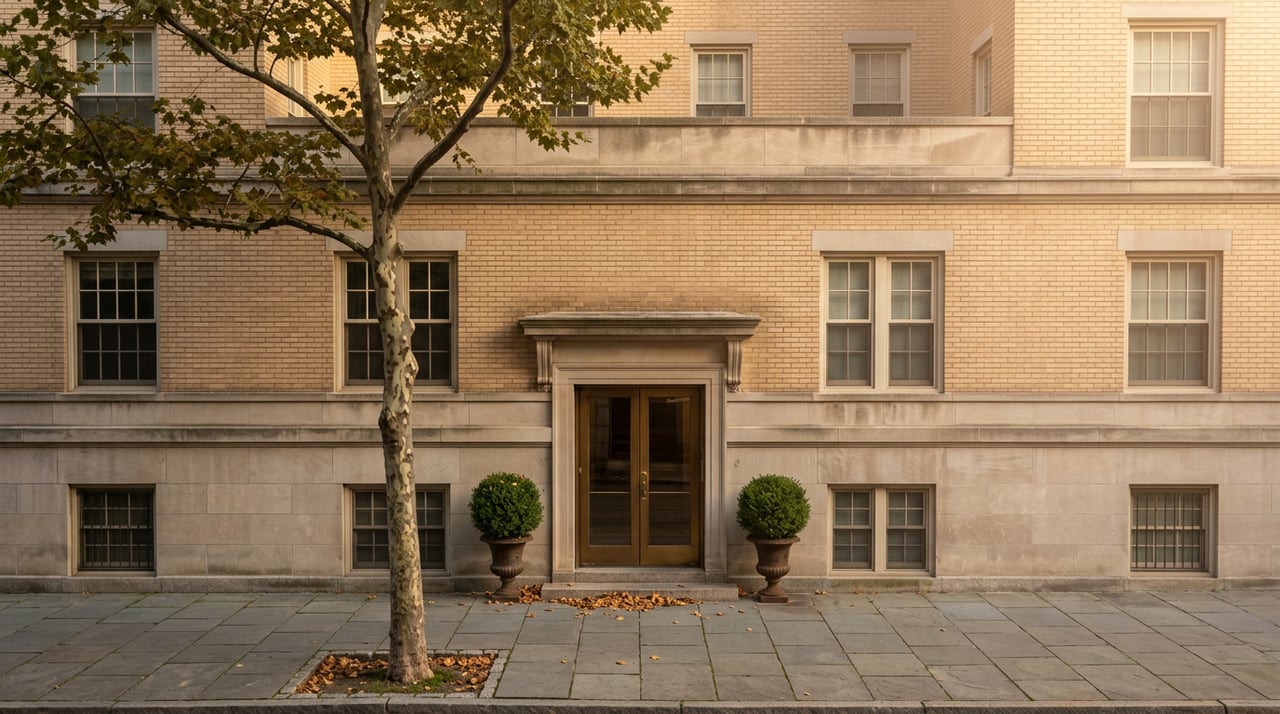
- Classic co-ops on side streets: On quieter blocks, you will see prewar elevator buildings and brownstone conversions that are often co-ops. Entry prices are typically lower than new condos, but boards can be stricter and building systems older.
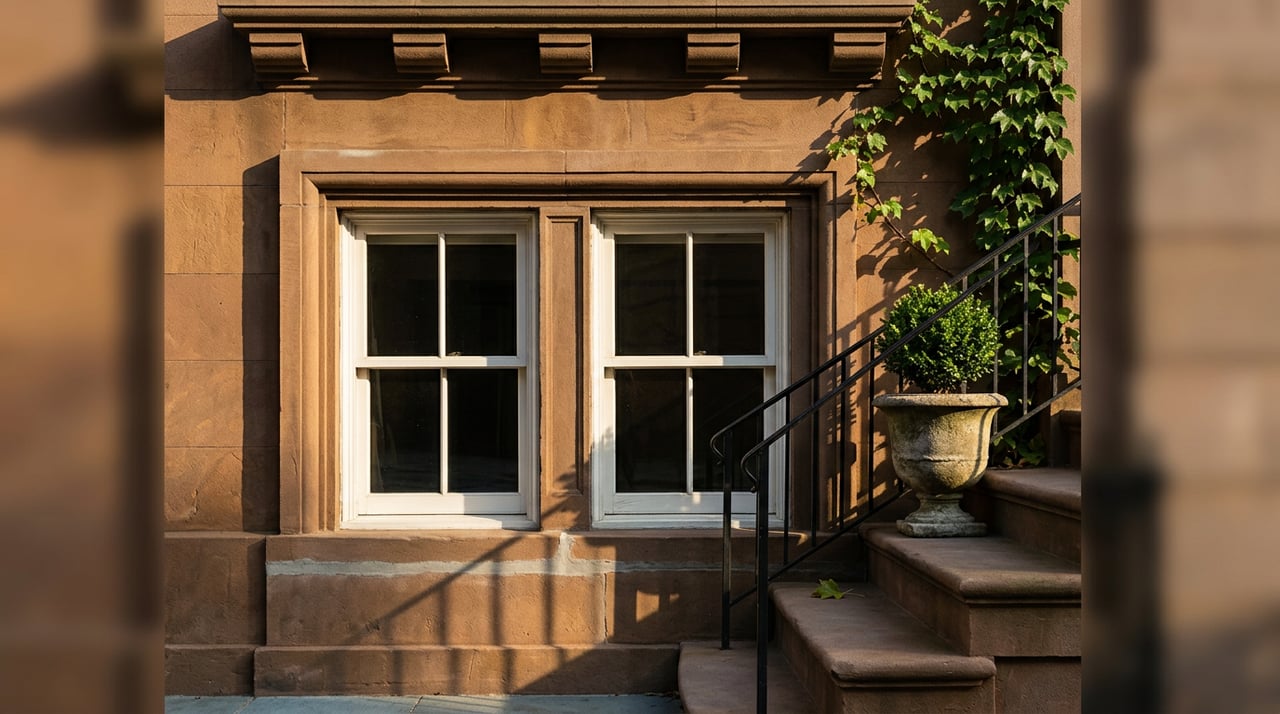
- Historic district considerations: Portions of Prospect Heights fall within a landmarked district. Exterior changes are subject to Landmarks Preservation Commission rules, which help preserve neighborhood character. If you plan façade or window work later, know that approvals can be required.
Example budgets: co-op vs condo for first-timers
Numbers shift month to month, but here is how typical Prospect Heights options can compare today:
Co-op 1-bedroom in a prewar building
- Price reference: recent local co-op median around $954,000.
- Down payment example at 25 percent: about $238,500.
- What you might expect: classic layouts, smaller buildings, board review, tighter sublet rules, potential flip tax at resale.
Condo 1-bedroom in a newer tower near Pacific Park
- Price reference: recent local condo median around $1.76 million.
- Down payment example at 20 percent: about $352,000.
- What you might expect: amenities, doorman or concierge, generally more flexible leasing, separate property taxes and common charges.
Neighborhood context: Across all listings, the overall median in January 2026 was about $1.49 million at roughly $1,330 per square foot. Your personal budget should reflect product type, building rules, and carrying costs.
Rules that affect lifestyle and resale
- Subletting and leasing: Co-ops often limit subletting or require minimum owner-occupancy periods. Condos generally allow more leasing flexibility, though bylaws vary by building. A quick primer on how NYC product types differ is available in this co-op vs condo overview.
- Pets and renovations: Rules differ widely. Review house rules and alteration agreements before you make an offer, especially if you plan a renovation.
- Flip taxes and transfer fees: Many co-ops charge a flip tax at resale. Simple example: if the flip tax is 2 percent and you sell for $1,000,000, the fee would be $20,000. Confirm the formula early because it affects your future net.
Warrantable vs non-warrantable buildings
Lenders and secondary market investors review buildings for factors like owner-occupancy, reserve strength, sponsor control, commercial space, short-term rental exposure, and litigation. If a building is considered non-warrantable, it can limit lender options, raise rates, or push you toward portfolio or non-QM loans. For a plain-English overview of how lenders view these scenarios, see this summary of non-warrantable condo and co-op financing.
Your due diligence game plan
Use this checklist the moment you have an accepted offer. It will save time and protect you from surprises.
- Offering plan, proprietary lease, bylaws, house rules. These documents explain governance, sponsor obligations, and building rules. The Attorney General’s overview on buying a co-op or condo is a useful primer. Have your attorney review them.
- Building financials. Request the last 2 to 3 years of financial statements, current budget, reserve study or reserve balance, and recent meeting minutes. You are looking for planned capital work, assessments, or weak reserves.
- Insurance and management. Get the master insurance policy and the management agreement. Lenders expect specific documentation, especially on co-op loans. See Freddie Mac’s guide for a sense of what is reviewed.
- Flip tax and transfer fees. Ask for the formula in writing. Run sample math so you know your future net proceeds.
- Sublet and owner-occupancy rules. If you might rent in the future, learn about sublet waiting periods, lease length rules, and investor caps.
- Litigation check. Ask for counsel’s letter or confirm via meeting minutes if any litigation is pending. Litigation can affect financing and resale.
- FHA/VA buyers in condos. Confirm approval status before you proceed using HUD’s FHA Approved Condominium Search.
Timeline: what to expect
Local examples to watch
- Newswalk (535 Dean Street): A large converted loft condo that shows how industrial conversions deliver big volumes and amenities in Prospect Heights.
- 550 Vanderbilt (Pacific Park): A newer condo tower that represents the neighborhood’s high-amenity, higher price-per-foot product near Atlantic Terminal.
These are helpful reference points when you compare listing photos, floor plans, and building services.
Smart next steps for first-time buyers
- Get pre-approved for the right loan type early, especially if you are open to both condos and co-ops.
- Align your budget with product type. A co-op may be the more accessible entry point in Prospect Heights, while a newer condo offers amenities at a premium.
- If you go co-op, start your board package the moment your offer is accepted.
- If you go condo with FHA or VA, confirm project approval before you lock your plan.
- Use the due diligence checklist above and lean on a local agent and a New York real estate attorney.
Ready to search smart in Prospect Heights and move with confidence? Connect with a neighborhood-first advisor who will keep you on track and on time. Get help in a New York minute with Nelson Aybar.
FAQs
What is the main difference between a Prospect Heights condo and co-op?
- A condo gives you a deed to your unit and an interest in common areas, while a co-op gives you shares in a corporation and a proprietary lease for your apartment.
How long does a Prospect Heights co-op purchase usually take?
- Many financed co-op deals take about 6 to 11 weeks from contract to closing because of the board package, review, and interview timeline.
Do Prospect Heights condos allow FHA or VA loans?
- Only if the condo project is approved. Verify status using HUD’s FHA Approved Condominium Search before you proceed.
Why are Prospect Heights condos often more expensive than co-ops?
- Newer condos around Pacific Park offer amenities and typically trade at higher price-per-foot, while many co-ops are in older prewar buildings with lower entry prices.
What is a co-op flip tax and how does it affect me?
- It is a fee paid at resale based on a formula set by the building. For example, a 2 percent flip tax on a $1,000,000 sale equals $20,000 and reduces your net proceeds.
What makes a building non-warrantable to lenders?
- Risk factors such as low owner-occupancy, sponsor control, weak reserves, large commercial exposure, litigation, or short-term rental activity can limit loan options and increase rates.