Park Slope vs Prospect Heights: Find Your Ideal Fit
December 4, 2025
December 4, 2025
Torn between Park Slope and Prospect Heights? You are not alone. Both sit beside Prospect Park and offer great transit, dining, and classic Brooklyn architecture. In this guide, you will see how each neighborhood feels day to day, what types of homes you will find, and how to tour them efficiently so you can decide with confidence. Let’s dive in.
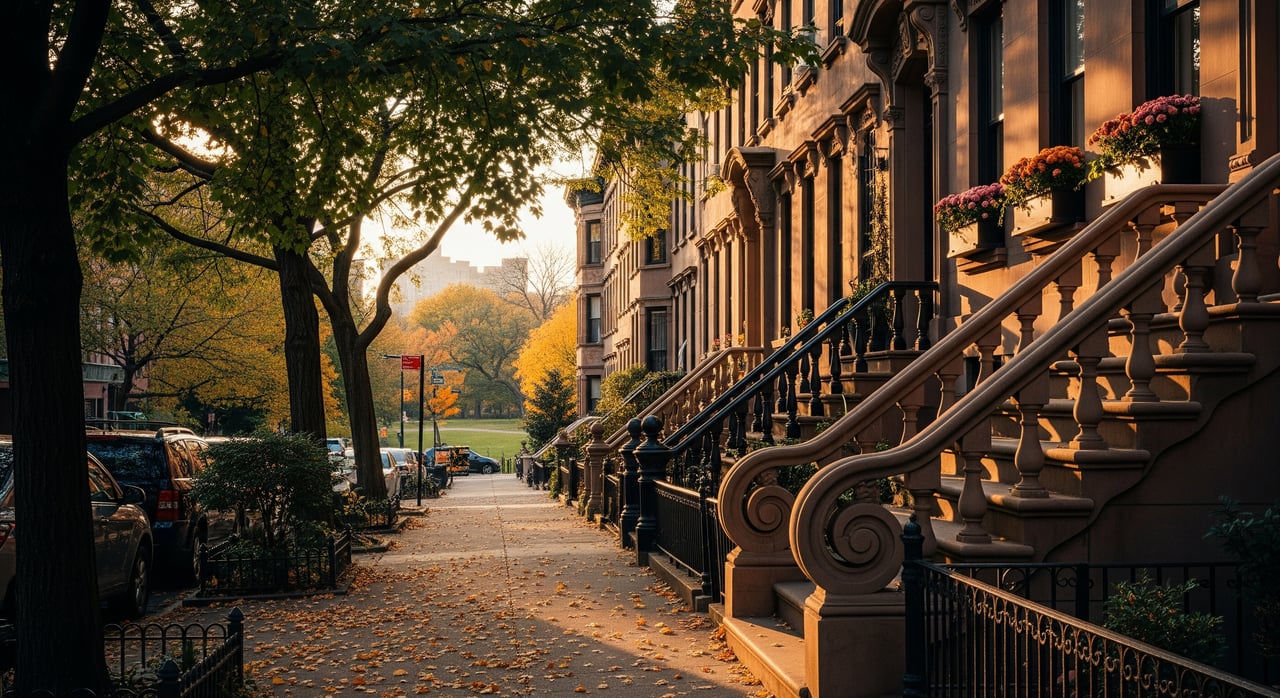
Park Slope is a long-established residential area with tree-lined blocks and 19th-century rowhouses. Daily life often centers around 5th and 7th Avenues, where you will find independent shops and restaurants. Evenings tend to be calmer compared with busier hubs nearby. If you want a stable feel and larger layouts, many blocks in Park Slope will be appealing.
Prospect Heights blends historic blocks with newer condo and rental developments, especially near Atlantic Terminal and Barclays Center. You are close to cultural anchors like the Brooklyn Museum and the Brooklyn Botanic Garden. There is a growing restaurant and nightlife scene near Vanderbilt and Atlantic. If you want newer buildings and quick transit choices, Prospect Heights stands out.
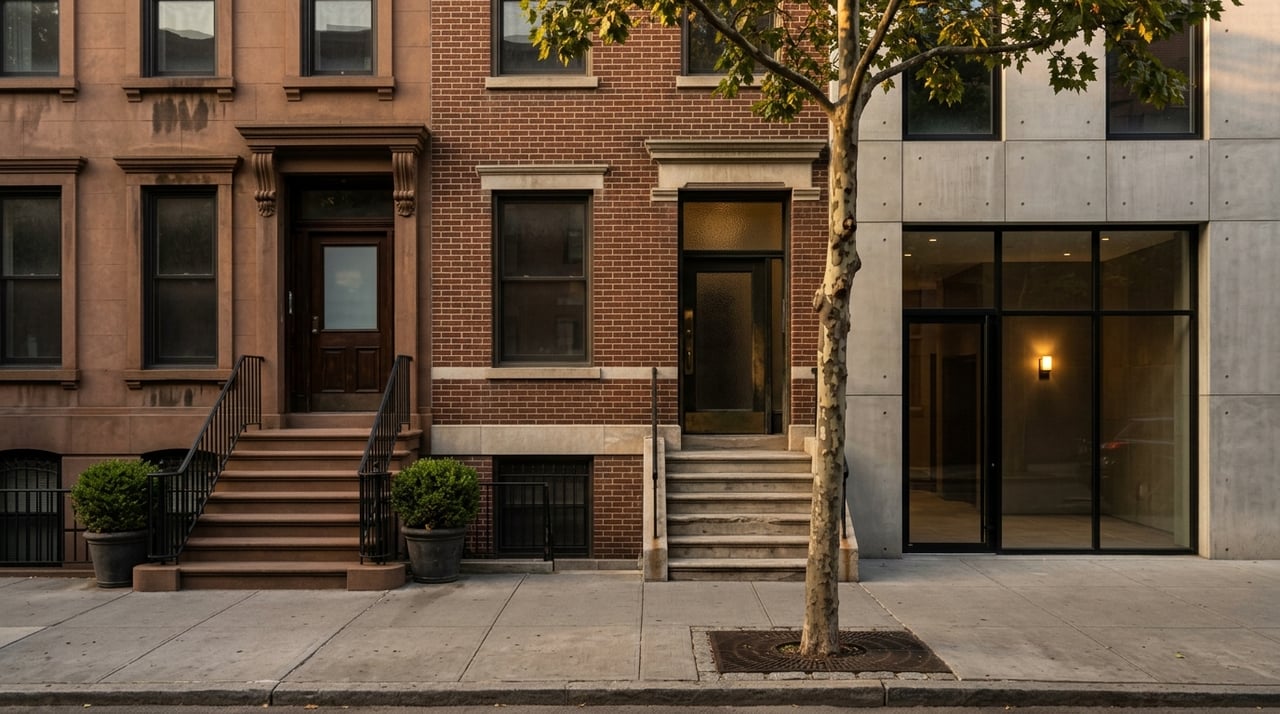
Both neighborhoods offer brownstones and rowhouses, with a higher concentration in Park Slope. These multi-story walk-ups may be single-family or divided into co-ops or condos. Expect character details alongside potential maintenance needs, such as stoops, facades, and older systems. Elevator access is limited in many of these homes.
Smaller pre-war walk-ups are common in both areas. Co-ops often have lower monthly charges compared with full-service condos, but they come with board approvals and rules on financing and subletting. These can be great if you plan to stay long term and are comfortable with documentation and interviews. Ask about reserve levels, flip taxes, and sublet policies before you commit.
Prospect Heights has more new development near Atlantic Terminal and along key corridors. Park Slope offers boutique condos, but fewer large-scale projects. Newer condos usually bring elevators, doormen, gyms, and warranties, plus more flexible resale and rental options. Expect higher prices per square foot in many new buildings, and review the sponsor’s track record and condo documents closely.
Prospect Heights has a larger inventory of purpose-built rental buildings, many with amenities and modern systems. Park Slope rentals skew toward older buildings and brownstone apartments. For any rental, review lease length, renewal terms, pet policies, amenity fees, and what utilities are included. If timing matters, ask about immediate move-in options and application requirements.
Prospect Heights sits near a major hub at Atlantic Terminal and Barclays Center. You will find multiple subway lines and regional rail options in one place, which can reduce transfers and save time for many commutes. Park Slope also has strong subway access and reliable buses, though regional rail is less immediate. In both neighborhoods, typical trips to Midtown or Lower Manhattan often range from about 20 to 45 minutes, depending on your block and service that day.
Prospect Park is the shared backyard for both neighborhoods. Park Slope lines the park’s western and southern edges, with quick access to the Long Meadow, playgrounds, and dog runs. Prospect Heights connects to the park through Grand Army Plaza and is closer to the Brooklyn Museum and the Brooklyn Botanic Garden. You will also find smaller playgrounds and community green spaces scattered throughout both areas.
Park Slope centers around neighborhood boutiques, specialty food shops, and casual restaurants, with a relaxed nightlife profile. Prospect Heights has a growing dining and nightlife scene near Vanderbilt and Atlantic, and it benefits from nearby cultural institutions. Grocery stores and markets are strong in both areas, and selection can vary by block.
Park Slope often commands a premium for brownstones and larger units, especially on park-adjacent blocks. Prospect Heights can present lower entry points for some newer studios and one-bedrooms, while high-end condos near Atlantic Terminal can be priced on par with Park Slope options. Micro-markets matter more than neighborhood names, so compare exact blocks and building types, not just ZIP codes.
Market dynamics shift throughout the year. Spring often brings more listings. In Prospect Heights, waves of new-development closings can temporarily change inventory and pricing. Ask your agent for months’ supply, days on market, and recent comps from sources like StreetEasy market reports, Douglas Elliman and Corcoran Brooklyn reports, and recorded sales data.
You may lean toward Park Slope, where many blocks offer classic homes and a calmer pace, especially closer to the park. Inventory includes multi-bedroom layouts and full townhouses. Tour different sections to see how the vibe shifts from avenue to avenue.
You may lean toward Prospect Heights, especially near Atlantic Terminal and Vanderbilt. Expect more condos with elevators and amenities and a wider range of rental buildings. Try a commute from a block near the terminal at a typical rush hour to gauge timing.
Focus on the exact block. Compare noise levels, natural light, and building condition. Time two sample commutes, morning and evening. Then weigh ownership type rules, monthly costs, and the floor plan you actually need.
You cannot go wrong with Park Slope or Prospect Heights. The best choice comes down to your daily routine, the building type that fits your lifestyle, and the exact block that matches your pace. Start with how you live, then let real floor plans, policies, and micro-location guide the decision.
Ready to compare listings and tour both in one efficient loop? Get help in English or Spanish and move forward with confidence. Connect with Nelson Aybar to plan smart tours and make your next move in a New York minute.
Stay up to date on the latest real estate trends.

Hardworking, goal-driven, and passionate Real Estate Professional has more than 18 years of experience in Business Operations and Real Estate Sales. Possess a unique ability to duplicate success within diverse marketplaces. Committed to providing the highest level of service possible. Contact him to learn more!