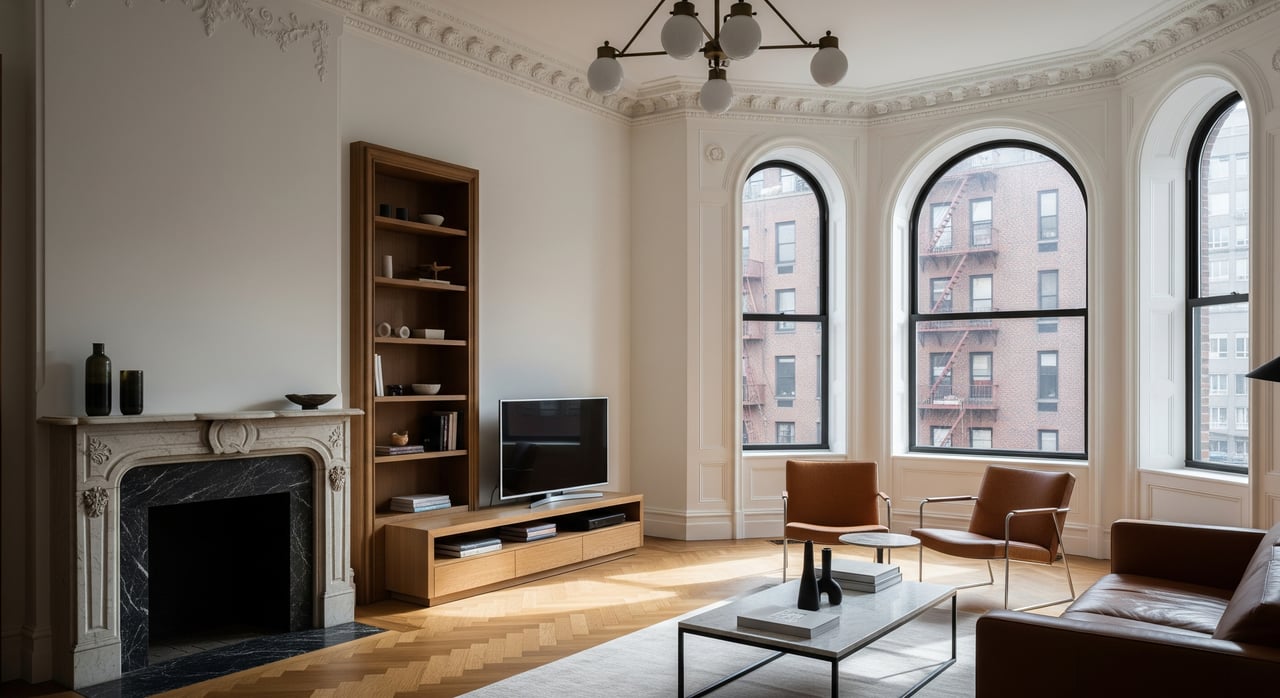
Prewar vs. Postwar Layouts In Astoria
December 18, 2025
December 18, 2025
Prewar vs. postwar is one of the first choices you face when apartment hunting in Astoria. You want space, good light, and the right layout for daily life, without surprises after you sign. This guide breaks down what those building eras really mean here, from ceilings and closets to elevators and renovations. You’ll walk away knowing what to look for near the N/W line and how to pick the layout that fits your lifestyle. Let’s dive in.
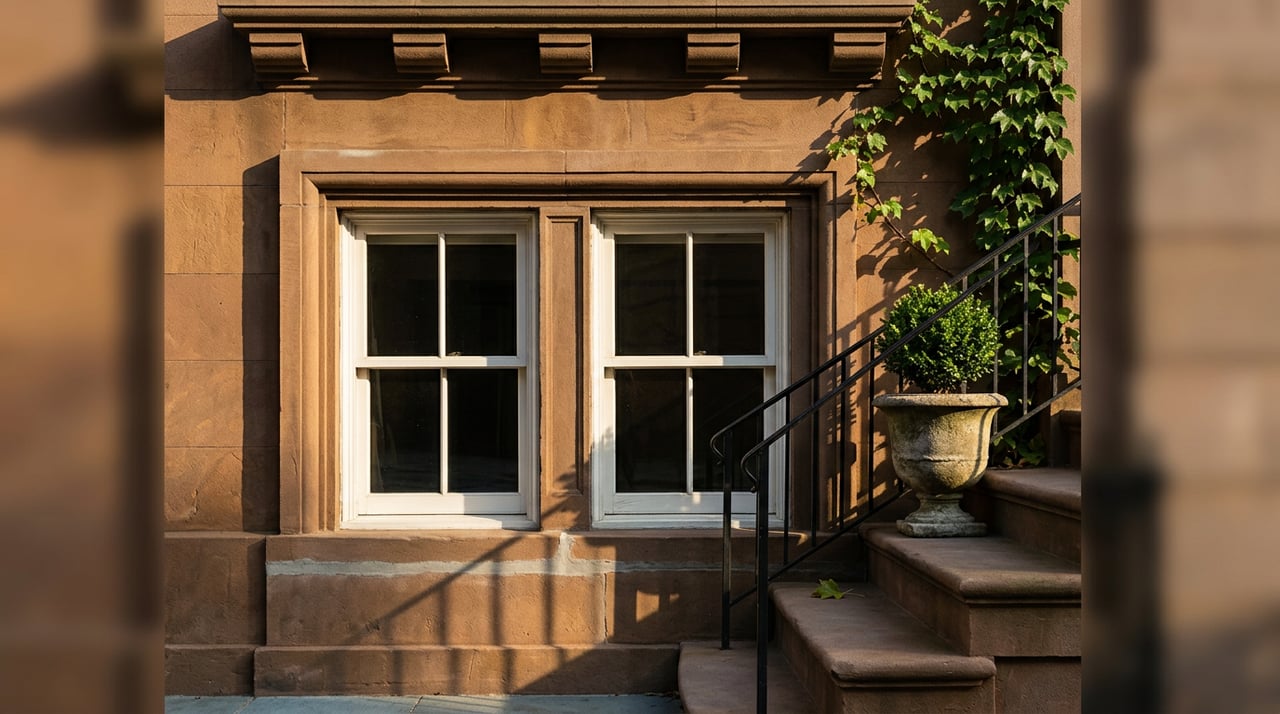
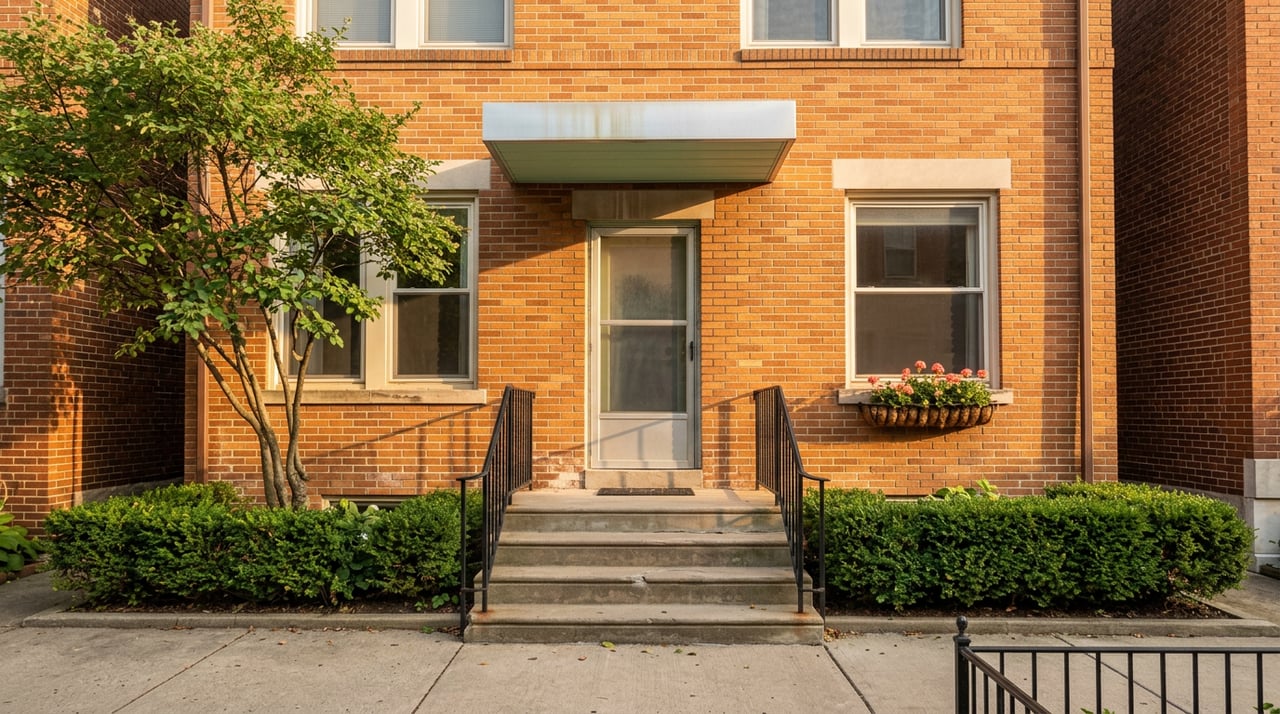
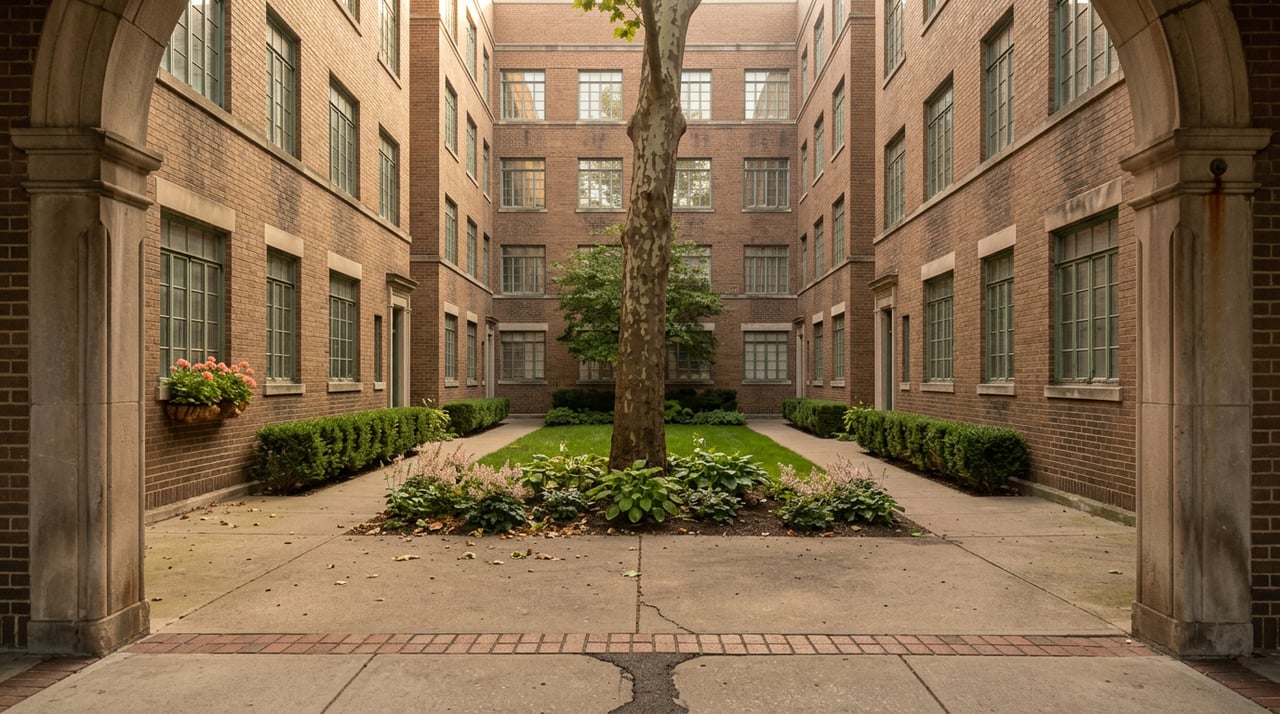
Prewar means buildings constructed before World War II. In Astoria, that often looks like brick walk-ups or low-rise co-ops on side streets off Ditmars, 30th Ave, and Broadway. You’ll see classic details, higher ceilings, and more defined rooms.
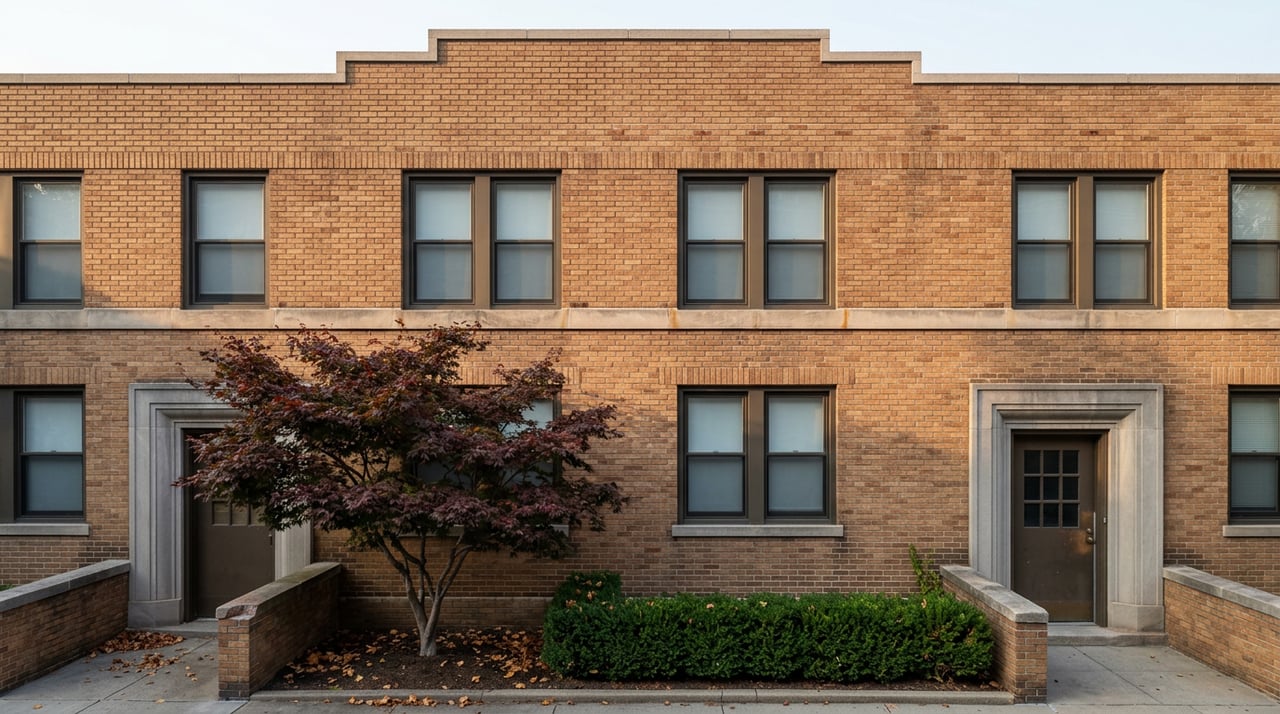
Postwar means buildings built after the war, especially from the 1940s through the 1970s and beyond. Around major corridors and near N/W stations, you’ll find more mid-rises with elevators, efficient layouts, and modernized systems. Expect a real mix within a few blocks of each station.
Prewar apartments tend to be more compartmentalized. You’ll often enter through a foyer into separate living and dining spaces, with a distinct kitchen and sometimes a small extra room in larger units. Rooms feel generous, even when total square footage varies.
Higher ceilings are a hallmark. Many prewar Astoria units have ceilings in the 9 to 11 foot range, which adds volume and taller windows. Primary rooms usually get solid natural light, although some interior rooms may feel more enclosed.
Closet sizes in prewar buildings can vary. You might see smaller original closets, but also built-in cabinetry, pantries, or basement storage assigned by the building. Kitchens and baths were historically compact and separate, and many have been updated over time within existing plumbing stacks.
Solid masonry and thicker floors in prewar buildings can help with sound separation. Results still vary by building and any later renovations, but many residents appreciate the quieter feel that older construction can provide.
Postwar units emphasize efficiency. You’ll see shorter hallways and more open living-dining-kitchen areas, especially in renovated or later-era buildings. One- and two-bedroom formats are common and are planned to maximize usable space.
Ceilings typically range from 8 to 9 feet. Window sizes vary by decade and building, with some later postwar properties offering larger glass areas in main rooms.
Postwar units often include more standardized closets. Many mid- and high-rises incorporate designated storage lockers, bike rooms, or on-site laundry. Mechanical systems may be more modern, with through-wall or central A/C in some buildings.
Elevators are the norm in most postwar mid- and high-rises. Amenities like package rooms, fitness areas, or attended lobbies are more common in larger complexes and newer condos.
If you plan anything beyond cosmetic updates, expect to file permits with the NYC Department of Buildings. Moving plumbing, altering walls, upgrading electrical, installing HVAC, or replacing windows normally require filings and licensed professionals. Cosmetic work like painting usually does not.
Co-ops require board approval and an alteration agreement. You may need contractor insurance, deposits, and to follow set work hours. Condos tend to be more flexible but still enforce bylaws and alteration agreements. Ask for the alteration agreement early and review recent approval timelines.
Prewar buildings often use masonry bearing walls and beams. Any removal or changes require a structural engineer and DOB filings. Kitchens and baths align vertically in both eras, so moving them far from existing plumbing stacks increases cost and complexity.
In pre-1978 buildings, lead paint may be present. Older insulation or pipe wrap can contain asbestos. Responsible contractors test and follow required safety procedures. Factor testing and possible remediation into your budget and schedule.
Build in buffer time for board approvals, elevator scheduling, and material lead times.
Ceiling height: Estimate or verify. Taller ceilings can shape lighting needs and furniture scale.
Elevator access: Confirm if the building is a walk-up. If there is an elevator, ask about recent upgrades and uptime.
Closets and storage: Count closets. Ask about basement storage and whether it transfers with the apartment.
Plumbing alignment: Note where kitchens and baths sit on the plan. Relocating wet areas is costly.
Heating and cooling: Identify radiator versus central heat, and whether A/C is window, through-wall, or central.
Prior work: Request any renovation records and DOB permits. Unpermitted work can be a red flag.
Board or landlord rules: If you plan renovations, ask for alteration guidelines and timelines upfront.
Sound: Listen for street and neighbor noise. Masonry helps, but window type and building systems matter.
Choosing between prewar and postwar in Astoria comes down to how you live. Focus on ceiling heights, elevator access, storage, and the scope of any planned renovations. Walk a few blocks around each N/W station and you’ll see your options quickly.
If you want a clear, fast path to the right fit, let’s connect. Get help in a New York minute. Schedule tours and compare buildings with Nelson Aybar.
Stay up to date on the latest real estate trends.




Hardworking, goal-driven, and passionate Real Estate Professional has more than 18 years of experience in Business Operations and Real Estate Sales. Possess a unique ability to duplicate success within diverse marketplaces. Committed to providing the highest level of service possible. Contact him to learn more!