
House Hacking In Woodside: 2–3 Family Basics
January 15, 2026
January 15, 2026
Thinking about living in one unit and letting your tenants help pay the mortgage? In Woodside, that approach is often both practical and popular. With strong transit, a variety of 2–3 family homes, and steady renter demand, you can set up a smart house hack that fits your budget and goals. In this guide, you’ll learn how to evaluate layouts, rents, financing, and local rules so you can move forward with confidence. Let’s dive in.
Woodside offers reliable access to the 7 train and the Long Island Rail Road, which draws renters who value fast commutes to Midtown and Long Island City. You can check train info and travel times using the MTA’s 7 line overview and trip tools on the MTA 7 line page. That connectivity supports consistent rental demand across many unit sizes.
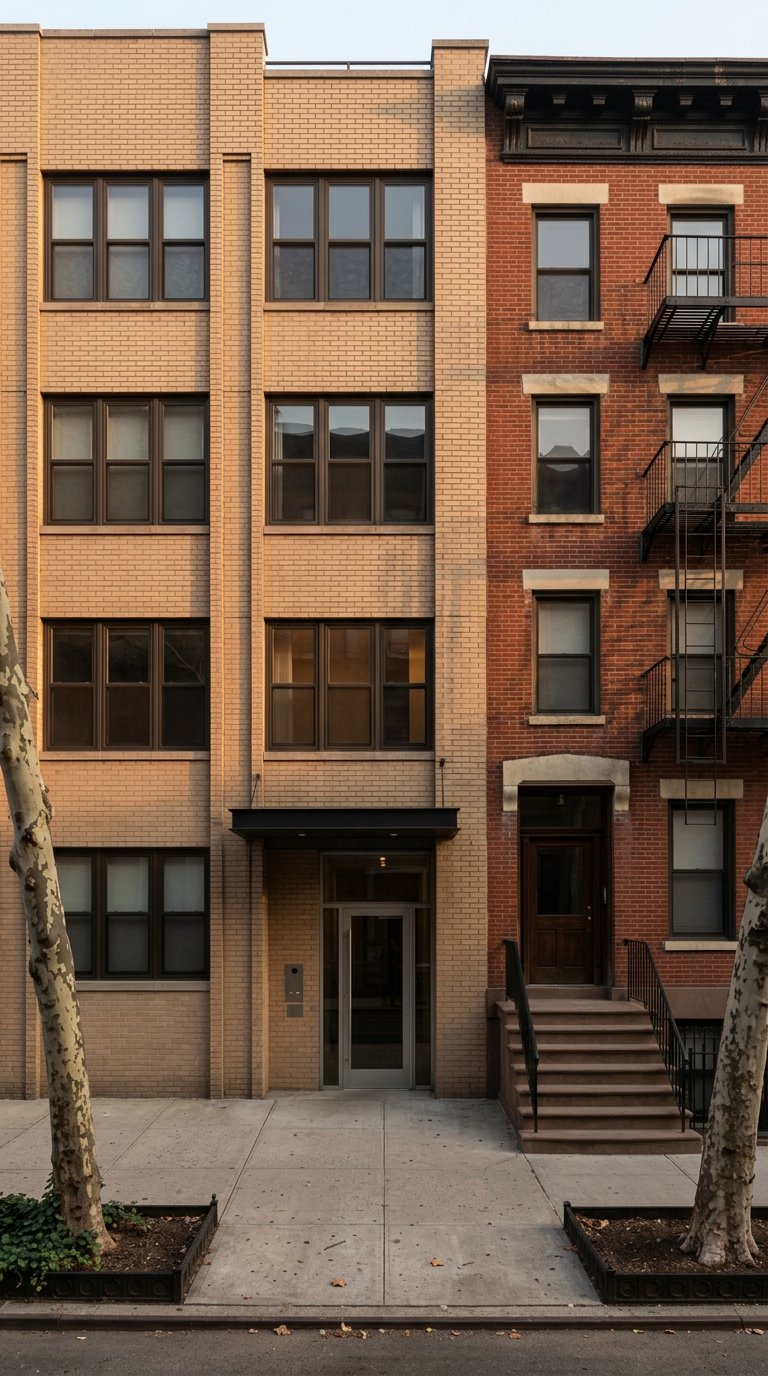
The housing stock mixes rowhouses, semi‑detached homes, and low‑rise multi‑families, so you’ll see many 2–3 family options. Compared with Manhattan and parts of western Queens or Brooklyn, Woodside often offers relatively lower purchase prices and rents, which can help your cash flow. Always confirm current neighborhood pricing and rent levels before you offer.
Many two‑families stack a garden or ground‑floor unit with a full‑floor apartment above it. Bedroom counts typically range from 1 to 3. As an owner, you might live on the upper floor for more light or take the lower unit for easier access to any outdoor space.
Three‑families often follow a garden, parlor or main floor, and top‑floor layout. Each level commonly holds a 1–3 bedroom unit. Separate entrances and clear unit boundaries make management easier.
These homes often have side‑hall plans with vertically stacked units. Pay attention to how utilities and meters are configured. Older homes may share systems, which can affect how you bill tenants.
You may see basement spaces marketed as apartments. In New York City, a unit’s legality depends on code compliance like egress, ceiling height, and light and ventilation. Always verify the legal unit count and Certificate of Occupancy through the NYC Department of Buildings’ property information tools before you underwrite a deal.
Renters in Woodside often prioritize quick transit access, proximity to job centers, and relative affordability compared with nearby hotspots. You will see interest from a wide range of households who value 1–3 bedroom units and nearby neighborhood retail.
To set your rents:
Aim to price competitively and model a conservative vacancy assumption, such as 5–10 percent, based on your read of current conditions.
Start with potential gross rent based on current comps, then subtract vacancy and credit loss. Next, layer in operating costs:
If you suspect any rent regulation history, verify unit status with the New York State Division of Housing and Community Renewal. You can review guidance on the DHCR rent stabilization page.
You have several ways to finance a 2–3 family purchase as an owner‑occupant. Program details can change, so confirm specifics with your lender.
FHA permits eligible owner‑occupants to finance 1–4 unit properties, often with a low minimum down payment. FHA also requires you to occupy the home as your primary residence, typically within a set window after closing. Read program basics through HUD’s single‑family housing page.
If you are eligible, VA loans can finance 1–4 unit owner‑occupied properties, often with zero down up to your entitlement limits. You must occupy the property as your primary residence. Learn more on the VA home loans page.
Lenders commonly offer conventional loans for 2–3 unit owner‑occupied properties. Down payment requirements vary by program and profile. Some borrowers may qualify for reduced minimums under programs like Fannie Mae HomeReady or Freddie Mac Home Possible, subject to income limits and lender rules. Ask how your lender treats rental income when you qualify.
Local banks sometimes provide portfolio loans with flexible underwriting for small multi‑families. If the property needs work to get units rent‑ready, renovation loans such as FHA 203(k) may help. Confirm eligibility and timelines before you offer.
Many lenders allow a portion of rental income to offset your mortgage on 2–4 unit owner‑occupied properties. Depending on the program, they may use actual lease income or a market rent schedule from the appraisal, often counting a percentage to account for vacancy and expenses. Work with a lender who regularly underwrites owner‑occupied multi‑units.
Before you submit an offer, protect your plan with tight verification:
If you want local guidance, responsive communication, and a practical plan for screening tenants and leasing quickly, connect with a neighborhood‑focused pro. Get help in a New York minute with Nelson Aybar. Hablamos español.
Stay up to date on the latest real estate trends.






Hardworking, goal-driven, and passionate Real Estate Professional has more than 18 years of experience in Business Operations and Real Estate Sales. Possess a unique ability to duplicate success within diverse marketplaces. Committed to providing the highest level of service possible. Contact him to learn more!