Park Slope Brownstone vs Condo: What Buyers Should Know
June 4, 2026
June 4, 2026
Trying to choose between a Park Slope brownstone and a condo? You are not alone. Many buyers love the charm of a classic Brooklyn row house but also want the simpler upkeep and structure that often come with condo ownership. The good news is that once you understand how these options differ in Park Slope, the decision gets a lot clearer. Let’s dive in.
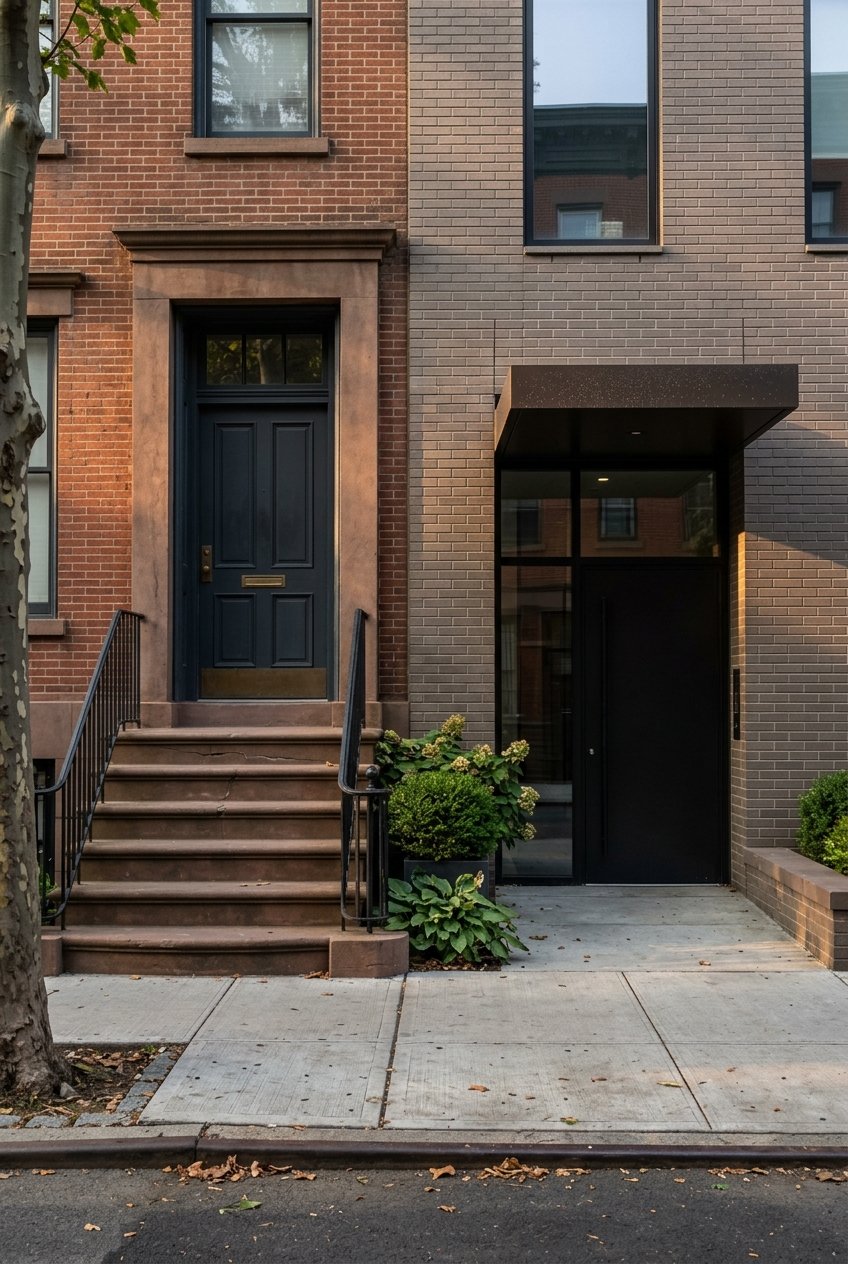
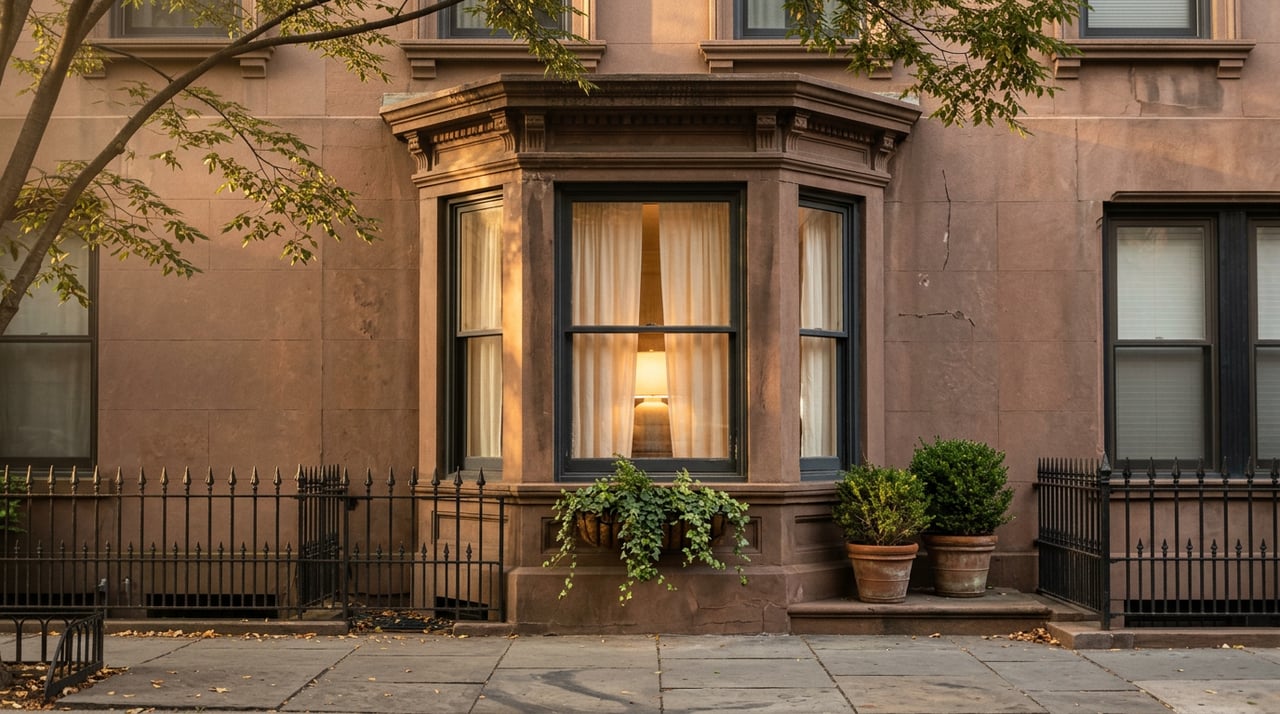
One of the biggest points of confusion in Park Slope is that brownstone is not the same thing as condo. In this neighborhood, brownstone usually describes a building style or shorthand for a historic row house, not a legal ownership type.
That matters because a brownstone can be set up in different ways. It might be a single-family home, or it might be divided into condo or co-op units. If you are comparing properties, your first step is to separate the look and feel of the building from the legal ownership structure.
Park Slope is known for its historic housing stock. According to the New York City Landmarks Preservation Commission, the neighborhood and its historic districts include many single-family row houses and flats buildings built mostly between the mid-19th century and early 20th century.
That historic fabric is a big reason buyers are drawn here. Row houses have long offered many of the benefits people want from a single-family home, including more privacy and space, while still fitting into a dense city neighborhood.
At the same time, buying in Park Slope often means buying into an older building context. That can affect maintenance, renovation plans, monthly costs, and how much flexibility you have over time.
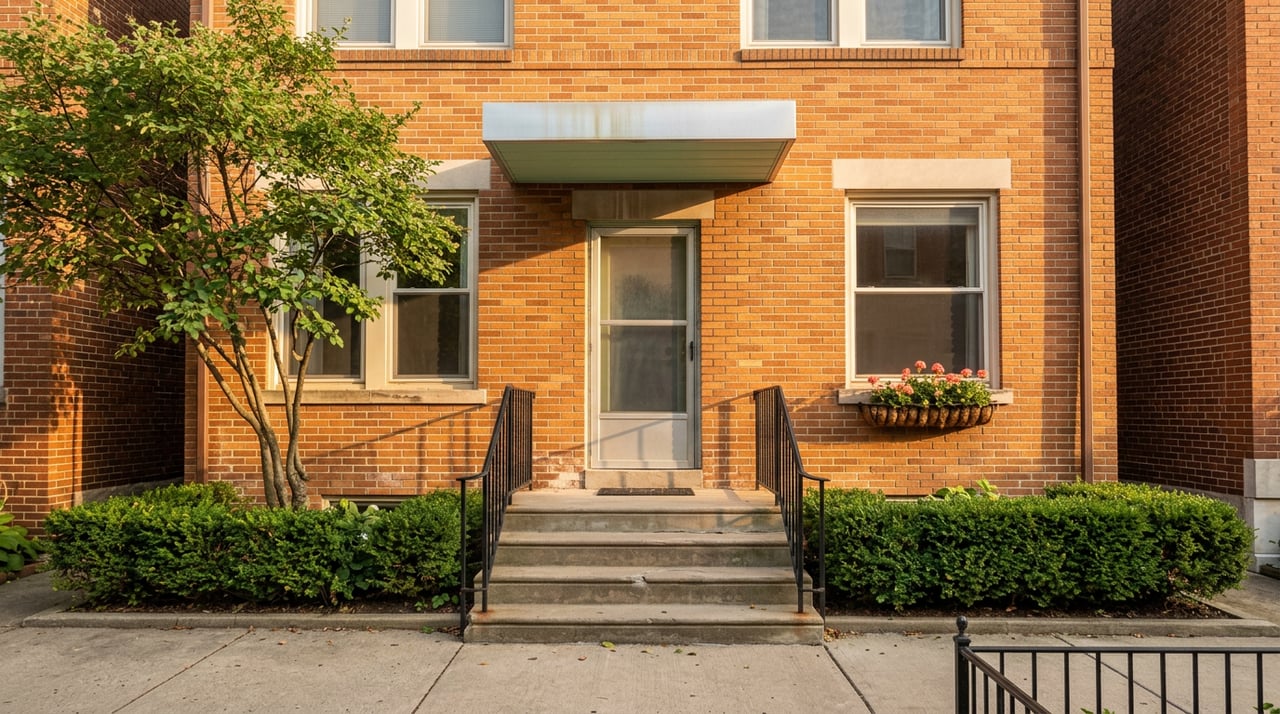
If you picture classic stoops, original details, and more private living space, you are probably picturing brownstone living. In Park Slope, this option often appeals to buyers who value character and the possibility of having more room than a typical apartment layout provides.
A one-family building can also offer a level of privacy that is hard to match in a multi-unit building. You do not share hallways, common walls in the same way, or building decisions with a condo board or co-op board if you own the entire building outright.
But that independence comes with more responsibility. In an older property, expensive repairs can include facade work, pointing, roof repairs, plumbing upgrades, electrical upgrades, boiler replacement, and in some buildings, elevator work.
In Park Slope, many brownstones sit within landmarked districts. If a property is designated, the Landmarks Preservation Commission must approve most alterations, reconstructions, demolitions, and new construction affecting the exterior.
That does not mean every project becomes difficult. Ordinary exterior repairs and most interior work generally do not require review, but you need to know where the line is before you plan updates. Owners of landmark buildings are also expected to keep them in good repair, which can make deferred maintenance more costly over time.
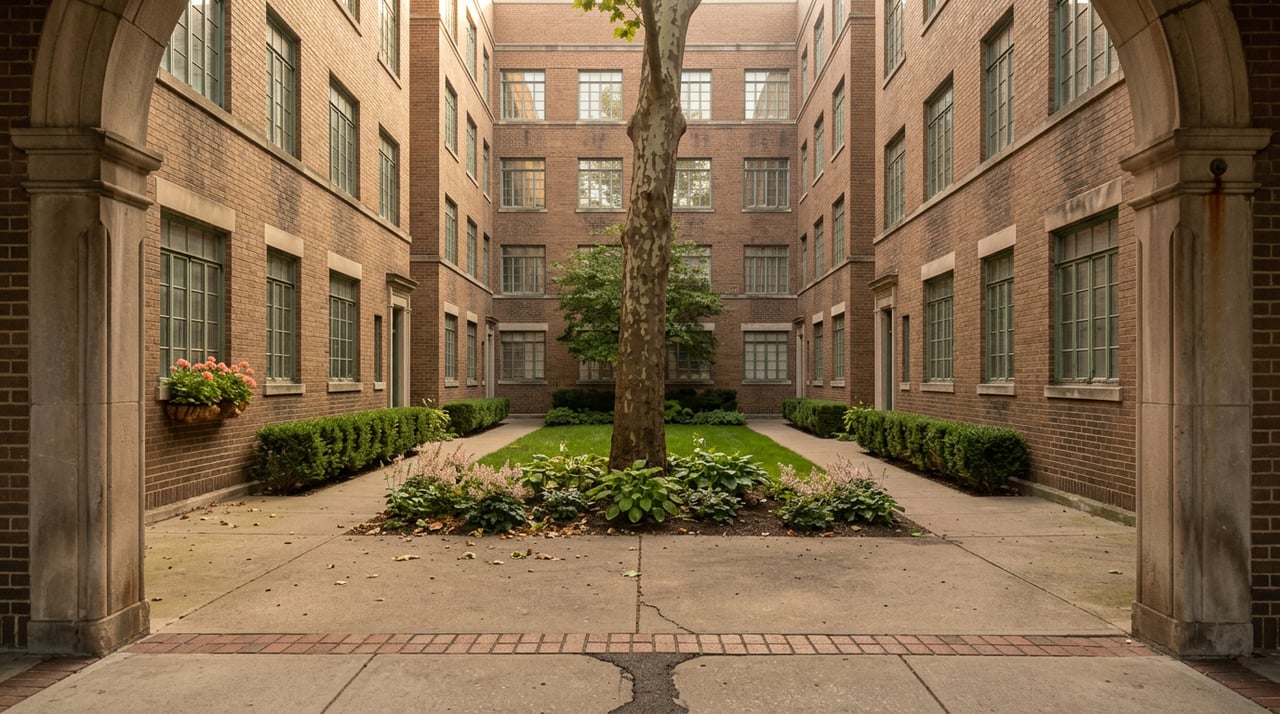
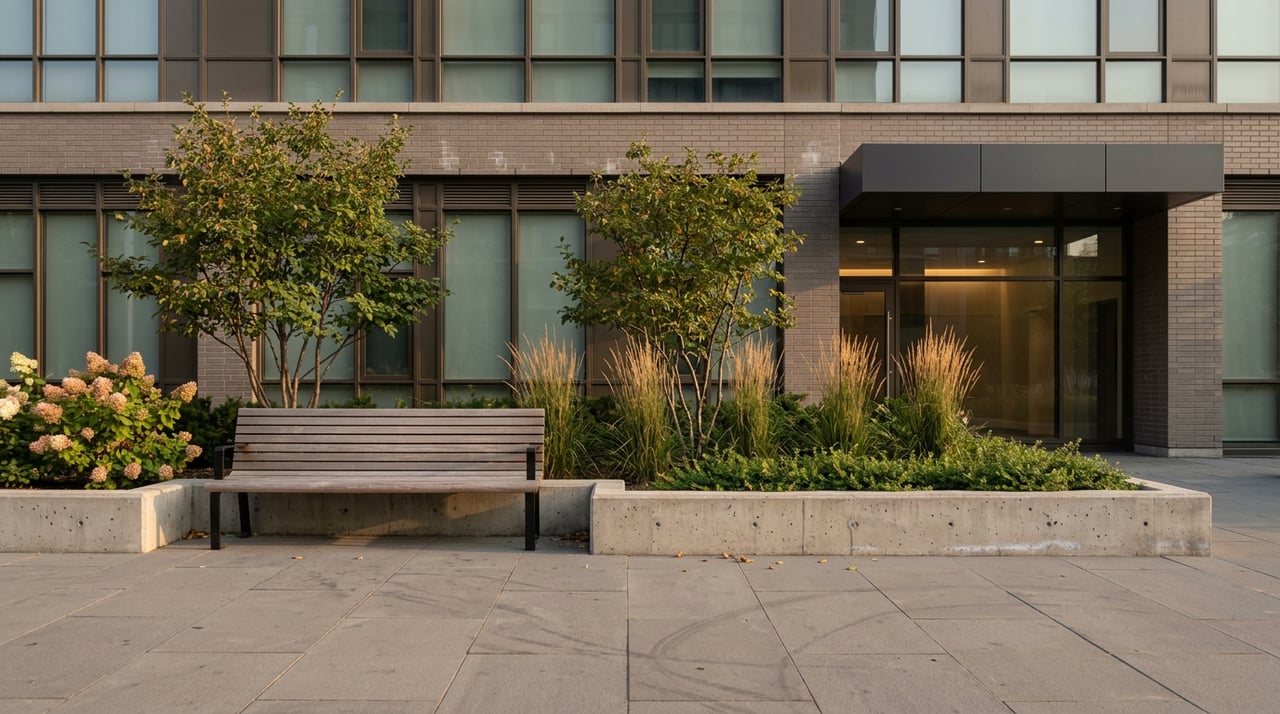
A condo gives you ownership of a specific unit plus an undivided interest in the building’s common elements. In practical terms, that means you own your apartment, while the association handles shared parts of the building.
For many buyers, that structure feels more predictable. Monthly condo fees usually cover exterior upkeep, common areas, and often costs such as water, sewer, trash, and reserve funding.
That setup can be especially appealing if you want Park Slope ownership without taking on the full burden of maintaining an older building shell yourself. You still need to review the building carefully, but day-to-day responsibilities are usually more shared than they would be in a one-family brownstone.
This is where your decision becomes more practical than romantic. A brownstone may give you more private space and historic character, but a condo often gives you a more standardized ownership path.
With a condo, the mortgage is typically tied to your unit, while the building itself is also reviewed by lenders. Lenders may look at the building’s condition, financial stability, debts, lawsuits, and reserve position when underwriting condo mortgages.
With a one-family brownstone, your focus is more directly on the property itself, its condition, and the likely cost of future repairs. If the building is older, understanding what has already been replaced and what may need work next becomes a key part of your due diligence.
Price is another major part of this decision. In the NYU Furman Center profile for Park Slope and Carroll Gardens, the 2024 median condominium sales price per unit was reported at $1.627 million.
In that same profile, the 2024 median sales price per unit for one-family buildings was $3.95 million. While this dataset is not Park Slope-only, it is still a useful local proxy for the ownership market and helps show the scale of the gap buyers may face.
For many people, that difference alone shapes the conversation. If your goal is Park Slope ownership with a lower entry point than a full townhouse or brownstone, a condo may be the more realistic fit.
The purchase price is only part of the story. Your ongoing monthly cost can look very different depending on the property type.
For a condo, you will usually be looking at a mortgage payment plus monthly common charges. Those charges may cover building services and reserves, but you still want to know exactly what is included and whether the building has any special assessments or reserve shortfalls.
For a brownstone or one-family home, you may not have condo fees, but you may take on more direct maintenance costs yourself. That can make your monthly spending less predictable, especially if major repairs arise.
If you are buying a condo in New York City, it is worth checking whether the unit may qualify for the co-op and condo property tax abatement. Eligible units must be the owner’s primary residence, and the building management or board must apply on behalf of the development.
The current published abatement percentages range from 17.5% to 28.1%, depending on average assessed value. This is not automatic for every property, so it is a good item to verify early in the process.
Many buyers are not just thinking about today. They are also asking what the property will allow them to do in a few years.
In general, condos often feel more flexible than co-ops because you own the unit directly. In Park Slope, that can matter if you are thinking ahead about future use, financing, or resale pathways.
Brownstones offer a different kind of flexibility. If you own the whole building, you may have more private control over your living space, but that freedom can still be shaped by landmark rules, building age, and the cost of maintaining the property properly.
The best choice usually comes down to a few practical questions:
These questions help move the conversation from general preference to real-world fit.
If you want historic character, more private space, and a classic Park Slope row-house experience, a brownstone may be the right match. You should also be ready for a higher purchase price in many cases and more direct responsibility for repairs and upkeep.
If you want a lower entry point into ownership, shared building maintenance, and a more standardized ownership structure, a condo may be the better option. You will still need to review the building’s finances and condition, but the day-to-day ownership experience may feel simpler.
In Park Slope, this is rarely just a style decision. It is a tradeoff between space and responsibility on one side, and structure and predictability on the other.
The right move depends on your budget, your comfort with maintenance, and how you plan to use the property over time. If you want help comparing specific Park Slope listings, building setups, or ownership costs, Nelson Aybar can help you sort through the details with clear, local guidance.
Stay up to date on the latest real estate trends.
Hardworking, goal-driven, and passionate Real Estate Professional has more than 18 years of experience in Business Operations and Real Estate Sales. Possess a unique ability to duplicate success within diverse marketplaces. Committed to providing the highest level of service possible. Contact him to learn more!