Woodside Queens Lease Renewal Tips for Small Landlords
July 16, 2026
July 16, 2026
Need to renew a lease in Woodside without losing a good tenant or creating a paperwork problem? For many small-building landlords, renewals are where income goals, legal timing, and day-to-day tenant relationships all meet at once. If you own a smaller property in Woodside, a smart renewal strategy can help you protect occupancy, stay organized, and avoid preventable mistakes. Let’s dive in.
Lease renewals in Woodside do not follow one single playbook. The first step is figuring out whether the apartment is rent stabilized or market rate, because the timing, forms, and rent-setting rules are different.
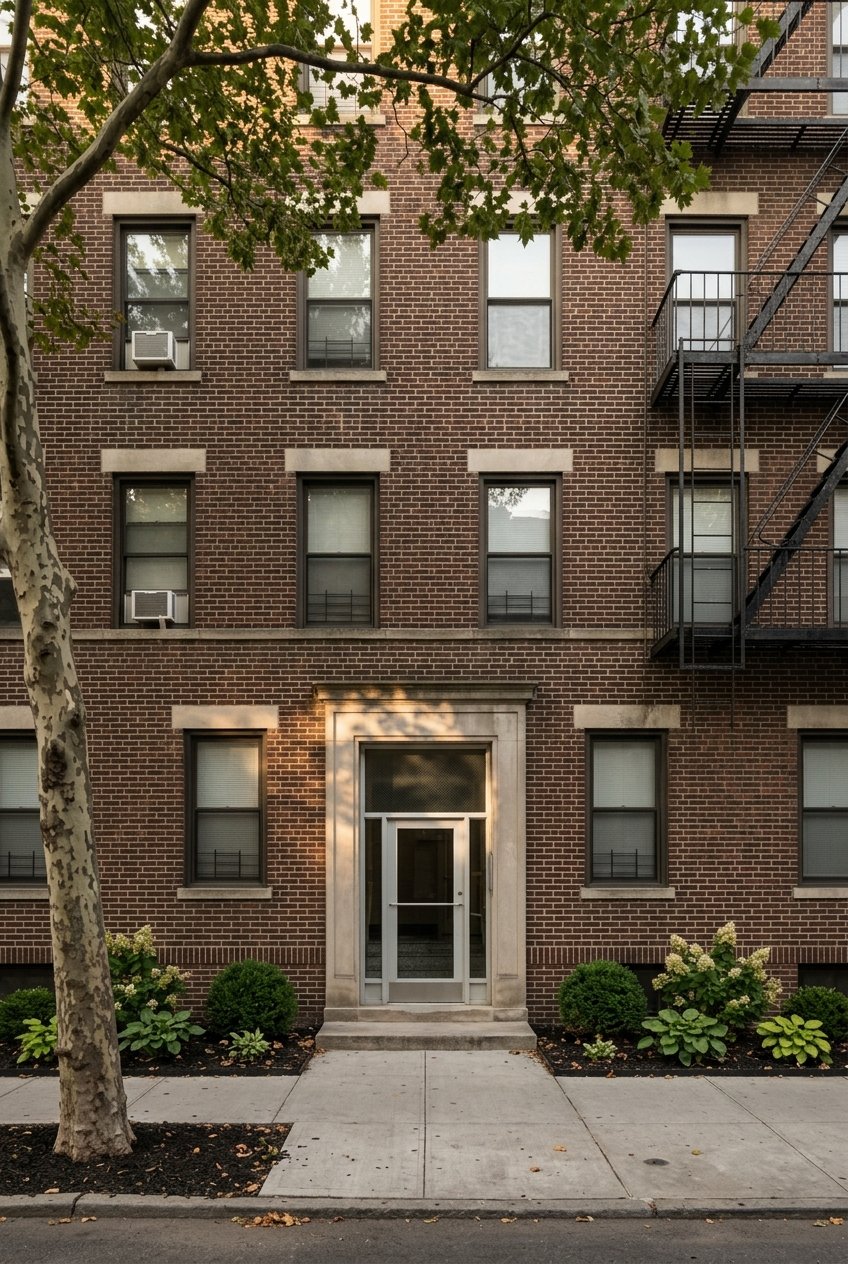
That matters even more in Woodside because the neighborhood has a meaningful small-building presence. According to the New York State Comptroller's report, 43.6% of Woodside units were in buildings with 10 or more units, which suggests a large share of homes are still in smaller properties. For many owners, renewals are more hands-on and personal than they are in larger buildings.
A renewal is not just about pushing for the highest possible rent. In Woodside, the better long-term move may be keeping a stable tenant with a reasonable, well-documented offer.
Public data support that cautious approach. The State Comptroller reported that 48.9% of Woodside renters were rent-burdened in 2023. That does not tell you what any one tenant can afford, but it does show why a measured renewal strategy can make sense in this neighborhood.
If your apartment is rent stabilized, New York State Homes and Community Renewal says you must offer the renewal on DHCR form RTP-8. The offer must be sent not more than 150 days and not less than 90 days before the lease expires.
The tenant then has 60 days to choose the lease term and return the form. After that, the owner must return the fully signed copy within 30 days. In general, the renewal should keep the same terms and conditions unless a legal change is required.
For leases commencing October 1, 2025 through September 30, 2026, the Rent Guidelines Board adopted increases of 3% for one-year renewals and 4.5% for two-year renewals. For leases commencing October 1, 2026 through September 30, 2027, the adopted increase is 0% for one-year and 0% for two-year renewals.
If the unit is rent stabilized, neighborhood asking rents should not drive your renewal number. The lawful guideline increase controls the common renewal, not public listing trends.
For market-rate apartments, Real Property Law 226-c sets the notice rules when you plan to raise the rent by 5% or more or choose not to renew. The required written notice is 30, 60, or 90 days, depending on the longer of the tenant's occupancy length or lease term.
The notice is not just a timing formality. It must also state whether the home is covered by Good Cause Eviction, why it is exempt if exempt, the lawful basis for any nonrenewal, and the justification for any increase above the applicable local rent standard.
If you miss the required notice, that can delay your plan. Under section 226-c, the tenancy continues under the existing terms until the full notice period expires after actual written notice is given.
Good Cause Eviction can affect how you handle a market-rate renewal in Woodside. New York City HPD says Good Cause does not apply to rent-regulated homes, to small landlords who own 10 units or fewer statewide, to owner-occupied buildings with 10 or fewer apartments, and to several other categories.
HPD also lists the current local rent standard as 8.79% and explains that the standard is calculated as inflation plus 5%, capped at 10%. HPD says updated figures are published each year before August 1, so it is important to verify the current number before relying on it in a notice.
For small-building owners, this is a key checkpoint. Before you send a market-rate renewal or nonrenewal notice, confirm whether the apartment is covered or exempt and make sure your notice says so clearly.
The law gives you the minimum timing rules, but it should not be your starting point. A cleaner process is to begin your internal review before the legal window opens.
That review can include:
This kind of prep helps you avoid late offers, corrections, or confusing back-and-forth with tenants. HCR also says lease increases generally should not begin retroactively, which is another reason to stay ahead of the deadline.
If you own a market-rate apartment, it is reasonable to look at public rent data before setting a renewal number. The challenge is that Woodside data tell different stories depending on what is being measured.
StreetEasy shows 54 rental listings with a median asking rent of $3,325. Zumper reports an average Woodside rent of $3,200, with one-bedrooms around $2,350 and two-bedrooms around $2,920. Zillow places the Queens County average rent at $3,077 in April 2026, up 3.9% year over year.
At the same time, the State Comptroller's ACS-based report found Woodside's median occupied rent, including utilities, was $1,832. These numbers are not directly comparable because they measure asking rent versus occupied rent, average versus median, and base rent versus rent with utilities or concessions.
That is especially important for small-building landlords. Some large-dataset apartment reports focus on bigger buildings, which may not reflect the smaller-property segment well. In practice, the strongest renewal benchmark is usually a like-for-like comparison based on unit size, condition, lease terms, and building type.
A renewal should feel organized, not casual. Even if you know the tenant well, a structured packet reduces confusion and helps show that the numbers and terms were handled carefully.
For rent-stabilized apartments, HCR says NYC renewals must include the New York City Lease Rider for Rent Stabilized Tenants. HCR also says owners of buildings with rent-stabilized apartments must file initial and annual apartment registrations and serve a copy on the tenant in occupancy.
A practical renewal packet may include:
This simple system can make renewals easier to track, especially if you manage several units and want a repeatable workflow.
Security deposit handling should stay tight at renewal time. According to the New York Attorney General, a security deposit cannot exceed one month's rent and cannot be commingled with the landlord's money.
If the rent increases, the deposit can be topped up so it matches the new monthly rent. For buildings with six or more apartments, the Attorney General says deposits must be held in a New York interest-bearing bank account, and tenants must be told the bank name, address, and deposit amount.
Good organization here matters for more than bookkeeping. New York City's Tenant Bill of Rights also states that the security deposit must be returned within 14 days after the tenant leaves, which makes accurate records important from lease start to lease end.
In a neighborhood like Woodside, the highest possible increase is not always the best business move. If your current tenant pays on time, communicates well, and takes care of the apartment, a modest renewal increase may support steadier income than a vacancy, turnover costs, and a rushed re-listing.
That is not a legal rule. It is a practical response to local conditions, especially in a neighborhood where many renters face affordability pressure and where public rent data vary widely depending on the source.
For small-building landlords, a steady tenant often protects value in ways a headline asking rent cannot. Lower turnover, less downtime, and smoother operations can be worth a great deal.
Some renewals are straightforward. Others get complicated fast, especially when there are questions about rent regulation, Good Cause coverage, notice language, or deposit handling.
HPD says the Tenant Bill of Rights is not a substitute for a lawyer or legal representation. If the unit's status or your notice requirements are unclear, it is wise to have counsel review the language before you send it.
If you want a smoother leasing process from start to finish, organized landlord support can also help you keep timelines, records, and tenant communication on track. That kind of system is often what separates a clean renewal from a stressful one.
If you own a small building in Woodside and want a faster, more organized approach to renewals, tenant placement, or landlord leasing workflows, Nelson Aybar can help you move with clarity and confidence.
Stay up to date on the latest real estate trends.
Hardworking, goal-driven, and passionate Real Estate Professional has more than 18 years of experience in Business Operations and Real Estate Sales. Possess a unique ability to duplicate success within diverse marketplaces. Committed to providing the highest level of service possible. Contact him to learn more!