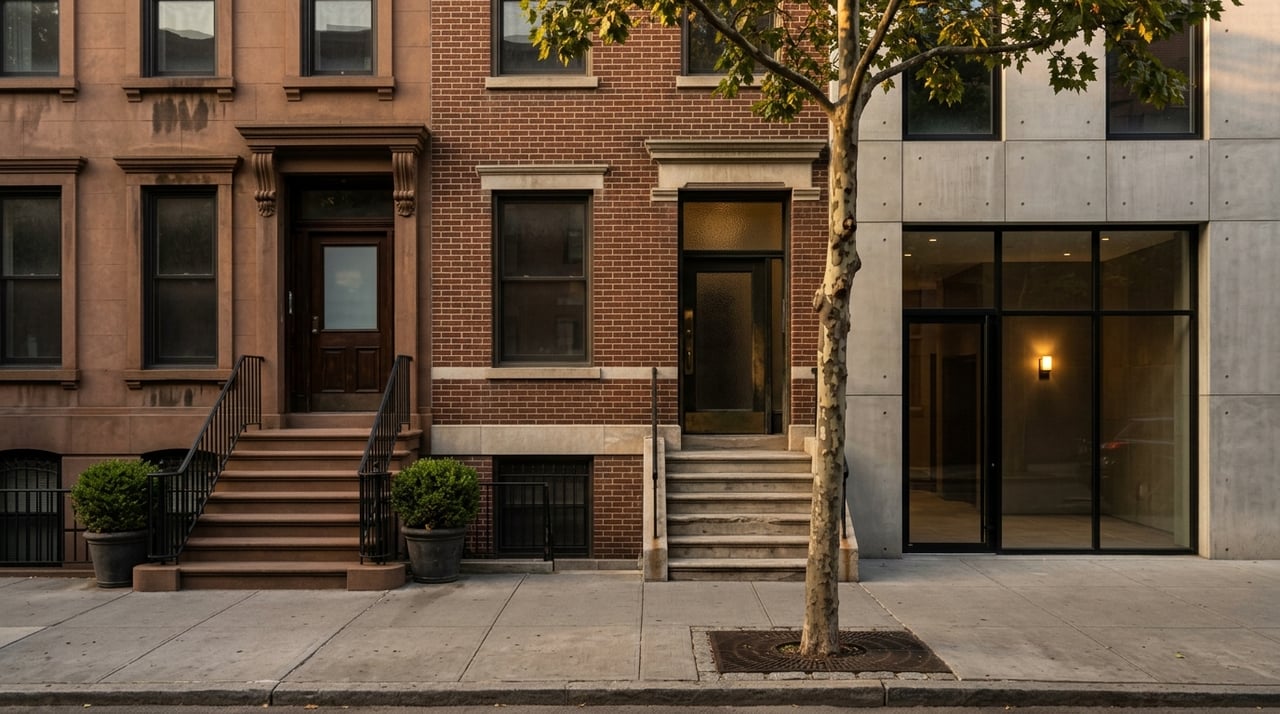
Prospect Heights Rental Guide: Compare Apartment Types
June 25, 2026
June 25, 2026
Looking for a rental in Prospect Heights can feel like choosing between three different Brooklyn lifestyles at once. You might be drawn to a brownstone floor-through, tempted by a lower-priced walk-up, or curious about a new building with a long amenity list. The good news is that Prospect Heights gives you all three, often within a few blocks of each other. If you want to understand what you get at each price point and how to search with confidence, let’s dive in.
Prospect Heights stands out because it combines classic Brooklyn housing with strong daily convenience. StreetEasy describes the neighborhood’s rental stock as a mix of historic brownstones, 20th-century apartment buildings, former industrial properties, and newer condos.
For many renters, the location is a big part of the appeal. The neighborhood offers access to Prospect Park, the Brooklyn Museum, the Brooklyn Botanic Garden, Grand Army Plaza, and Barclays Center. Apartments.com also rates the area as highly walkable and transit-rich, with nearby access to the B/Q, 2/3, C, G, and 4/5/S lines.
That mix gives you options. You can prioritize character, price, convenience, or amenities without leaving the neighborhood.
The first thing to know is that Prospect Heights rents can look different depending on the source and the building type. StreetEasy shows a neighborhood median base rent of $4,300, while Apartments.com lists average rents as of June 2026 at $3,431 for studios, $3,583 for one-bedrooms, $5,263 for two-bedrooms, and $7,015 for three-bedrooms.
The key phrase here is base rent. StreetEasy notes that these figures do not include fees, so they work better as market guides than all-in monthly costs.
A practical way to think about Prospect Heights is by current price bands:
Inventory changes quickly, so these are best used as snapshots of the market rather than fixed rules.
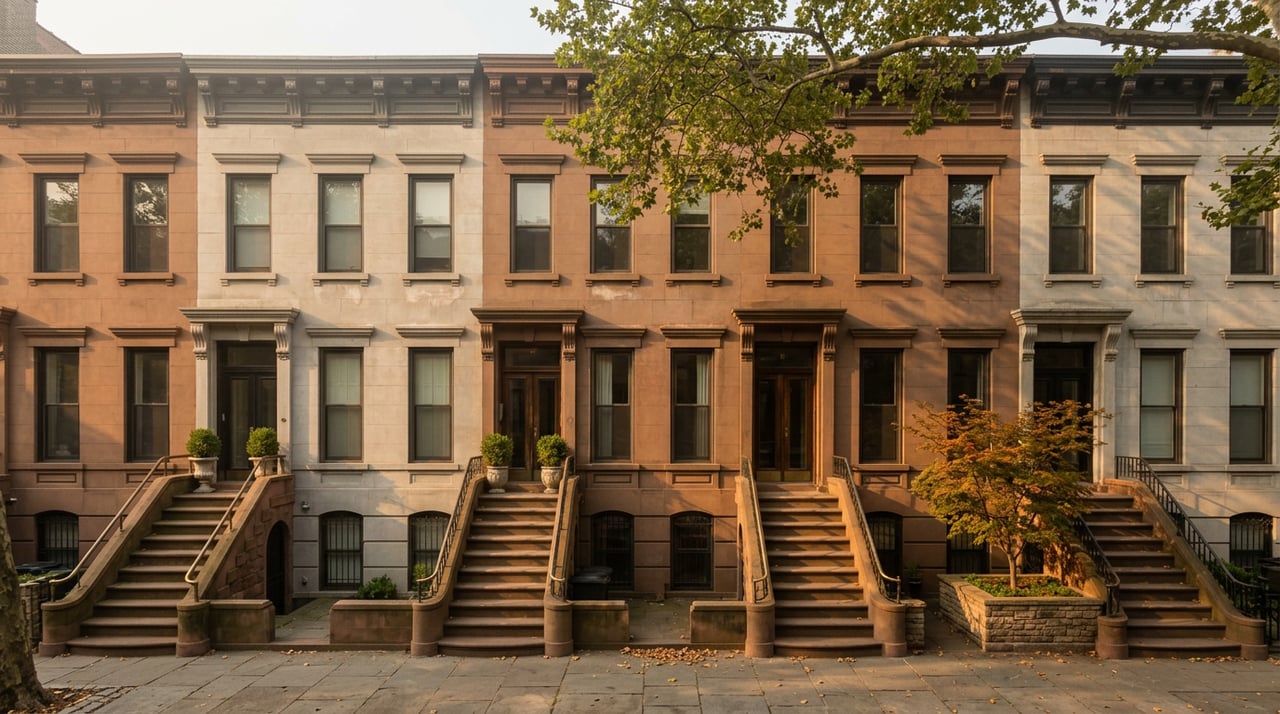
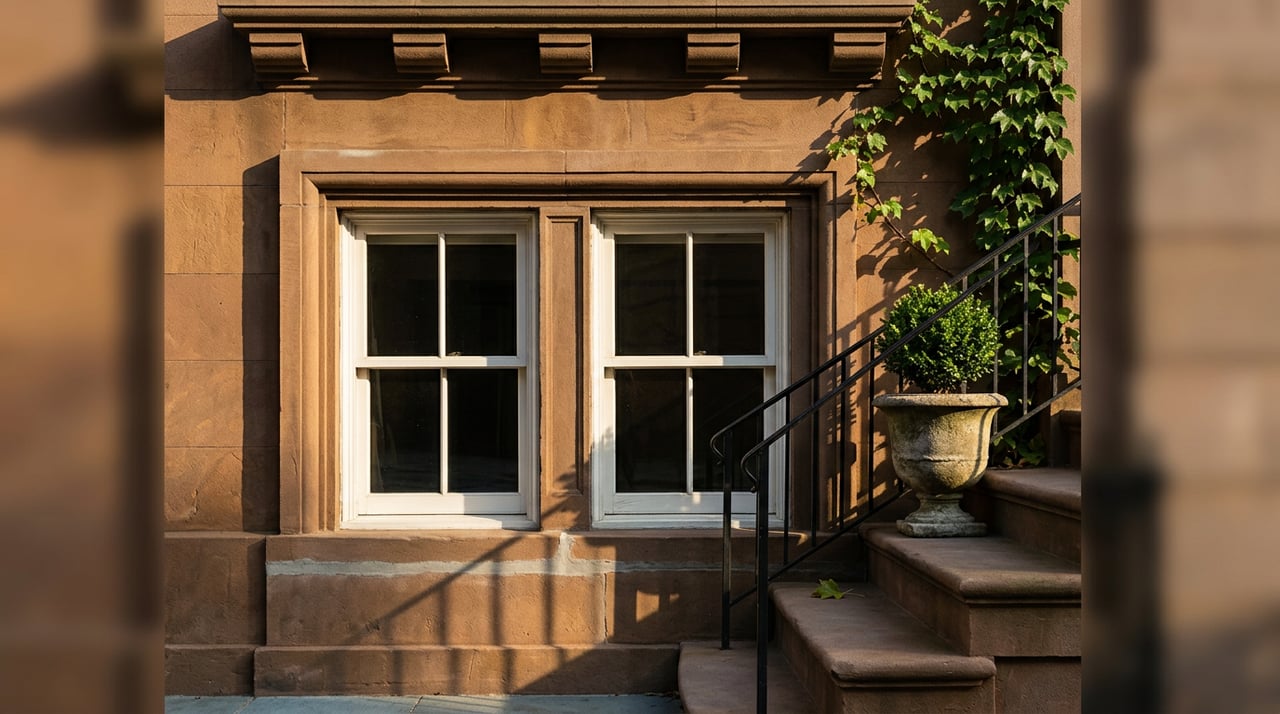
If you picture Prospect Heights as tree-lined blocks and classic Brooklyn architecture, this is probably the housing type you have in mind. Brownstone rentals in the neighborhood often show up as floor-through apartments, garden units, duplexes, or townhouse rentals.
These homes usually appeal to renters who care about layout, privacy, and original details. Recent listings highlighted features like original shutters, pocket doors, decorative mantels or fireplaces, high ceilings, hardwood or wide-plank floors, oversized windows, and in some cases private gardens, central air, or in-unit washer/dryers.
Recent examples help show the range. StreetEasy listings included a 2-bedroom floor-through at 530 Carlton Avenue for $4,250, a 1-bedroom at 409 Sterling Place for $4,250, and a renovated 3-bedroom floor-through at 127 Prospect Place for $7,500.
Brownstones tend to give you features that feel personal rather than standardized. You may find more architectural detail, a more residential layout, and sometimes outdoor space.
You may also get fewer building-wide conveniences. Many of these homes are in smaller properties, so doorman service, package rooms, and fitness centers are less common than in newer buildings.
A brownstone rental may be a strong fit if you want:
In simple terms, brownstones often trade higher rent for charm, privacy, and a more distinctive living experience.
If your top priority is staying in Prospect Heights at a more manageable price point, prewar walk-ups are often where you start. These are typically older 4-story buildings with fewer amenities and, of course, stairs.
That tradeoff can work well for renters who care more about location than luxury. A recent StreetEasy example at 750 Washington Avenue, a 1920-built 4-story walk-up, showed renovated 1-bedroom rentals at $3,117 and $3,400.
Even in this more value-oriented segment, you may still find appealing finishes. That listing highlighted stainless steel appliances, a dishwasher, hardwood floors, high ceilings, and heat and hot water included.
With a walk-up, the biggest compromise is usually convenience. You may not have an elevator, doorman, or many shared amenities.
What you often gain is a lower base rent compared with brownstones and new development in the same neighborhood. For many renters, that is the difference that keeps Prospect Heights in reach.
Between walk-ups and luxury new buildings, Prospect Heights also has older elevator and co-op style buildings. These can be a useful middle ground if you want easier daily access without paying top-tier new development pricing.
Examples from the research show this clearly. At 175 Eastern Parkway, a 1922 6-story elevator and doorman building, a 1-bedroom rented for $3,600. At 35 Eastern Parkway, a 1961 6-story elevator building, studio rentals were listed at $2,995, with building features that included laundry, a live-in superintendent, and elevator service.
This category can be appealing because it often blends practical comfort with more moderate pricing. In some cases, you may also find larger layouts than you would expect in a newer building.
Older elevator buildings can make sense if you want:
For renters who do not need luxury amenities but do want easier access than a walk-up, this is often the sweet spot.
New development is the most amenity-heavy segment of the Prospect Heights rental market. It is also usually the most expensive.
A current example is Eight80 at 880 Atlantic Avenue, a 2025-built 19-story rental building. StreetEasy lists features such as a doorman, elevator, package room, bike room, garage parking, storage, gym, children’s playroom, media room, garden, roof deck, central air, dishwasher, hardwood floors, and washer/dryer.
Current base rents there ran from $4,500 to $5,570 for one-bedrooms, with studios and two-bedrooms priced even higher depending on the unit. The building also advertised concessions on select leases, including 2.5 months free on some 20-month terms.
In a new building, you are often paying for predictability and ease. The finishes are newer, the systems are modern, and the amenity package can simplify your day-to-day routine.
That premium can be worth it if you want features like package handling, fitness space, central air, or in-unit laundry without needing to compromise on building services.
When renters compare Prospect Heights options, the best choice usually comes down to your personal tradeoffs. One apartment type is not universally better than another.
Here is a simple way to frame it:
| Rental type | Best for | Typical tradeoff |
|---|---|---|
| Brownstone | Character, privacy, classic details | Higher rent, fewer building amenities |
| Walk-up | Lower base rent in the neighborhood | Stairs, fewer conveniences |
| Older elevator building | Balanced comfort and access | Older finishes or less flashy amenities |
| New build | Amenities, services, modern systems | Highest pricing |
If you know your top priority before you start touring, your search gets much easier.
Before you apply, it helps to understand a few city rules and common paperwork expectations. According to NYC fair housing guidance, screening may include credit checks, work and landlord references, personal references, questions about who will live in the unit, criminal background checks, home visits, and interviews.
The city also says landlords can ask for government-issued ID, but they should not require a passport, birth certificate, or photo with the application. Screening criteria must be applied consistently to all applicants.
HPD advises renters to come prepared with:
HPD also notes that credit and background check fees may not exceed $20. Security deposits may not be more than one month’s rent, and key money is illegal.
NYC’s FARE Act changed the cost picture for many renters starting June 11, 2025. Under current city guidance, brokers who represent landlords may not charge broker fees to tenants.
Landlords or their agents must also disclose other tenant-paid fees before the lease is signed. If you choose to hire your own broker for representation, you can still do that.
If a Prospect Heights rental is rent stabilized, the rules are different from a typical market-rate lease. NYC guidance says rent stabilization is most common in buildings with six or more units built before 1974, though some newer tax-benefit apartments may also be stabilized.
Tenants can request rent history to help verify a unit’s status. For rent-stabilized leases effective from October 1, 2025 through September 30, 2026, the current Rent Guidelines Board increase is 3% for a one-year lease and 4.5% for a two-year lease.
HCR also states that vacancy leases generally run for one or two years. Renewal notices in NYC must be delivered 90 to 150 days before lease expiration, and a vacancy lease must include a bedbug infestation history disclosure.
StreetEasy places Prospect Heights at a median base rent of $4,300. In the same comparison, Park Slope sits at $4,100, Fort Greene at $4,500, and Bedford-Stuyvesant at $3,300.
That helps explain why Prospect Heights can feel so flexible. Depending on the block and building type, you may be able to compare a renovated walk-up, an older elevator building, or a newer amenity property while staying in roughly the same part of Brooklyn.
Prospect Heights works well for renters because it offers real variety, not just in price, but in how you live. Brownstones bring charm and privacy, walk-ups help stretch your budget, older elevator buildings offer practical balance, and new builds deliver convenience at a premium.
If you want help sorting through listings, comparing tradeoffs, and moving quickly when the right apartment appears, Nelson Aybar can help you navigate Prospect Heights rentals with a fast, neighborhood-first approach.
Stay up to date on the latest real estate trends.
Hardworking, goal-driven, and passionate Real Estate Professional has more than 18 years of experience in Business Operations and Real Estate Sales. Possess a unique ability to duplicate success within diverse marketplaces. Committed to providing the highest level of service possible. Contact him to learn more!