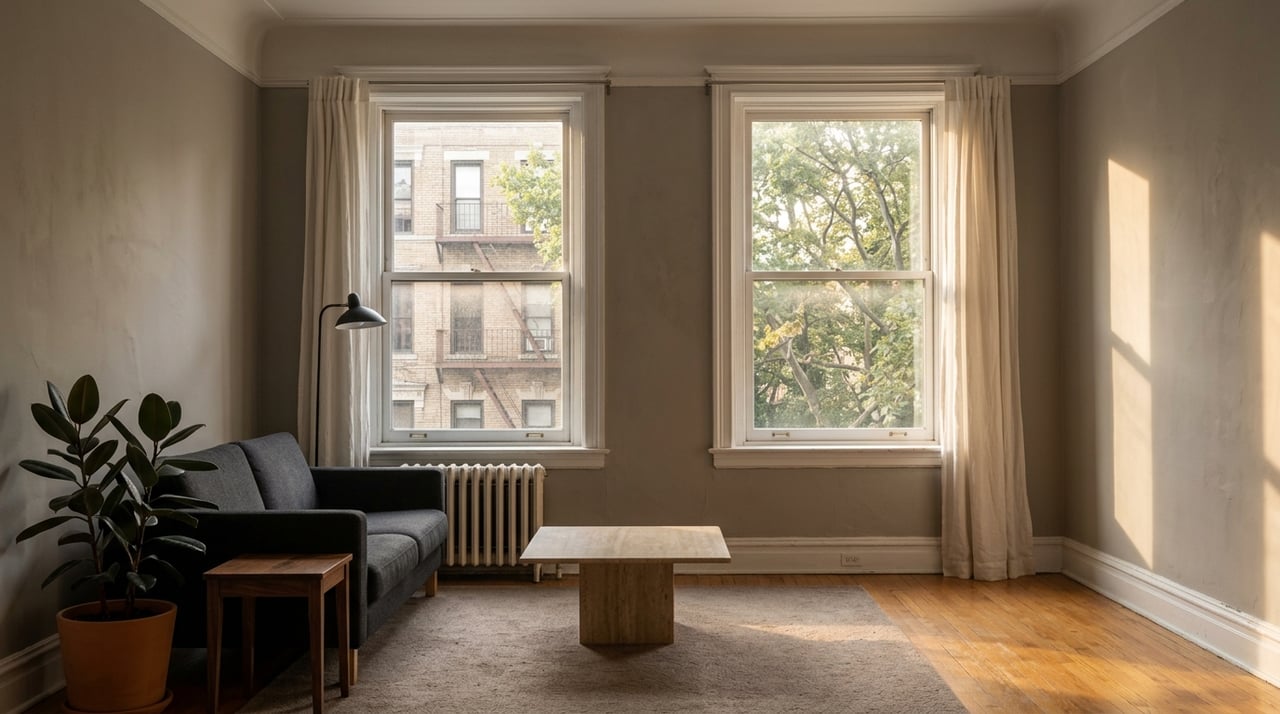
Living in Prospect Heights Brooklyn Day to Day
June 18, 2026
June 18, 2026
If you are trying to picture daily life in Prospect Heights, it helps to think beyond listing photos and subway maps. This is the kind of Brooklyn neighborhood where a normal day can include a short walk for coffee, an easy train ride, time in the park, and dinner close to home. If you want a feel for what living here is actually like, this guide will walk you through the pace, places, and routines that shape Prospect Heights. Let’s dive in.
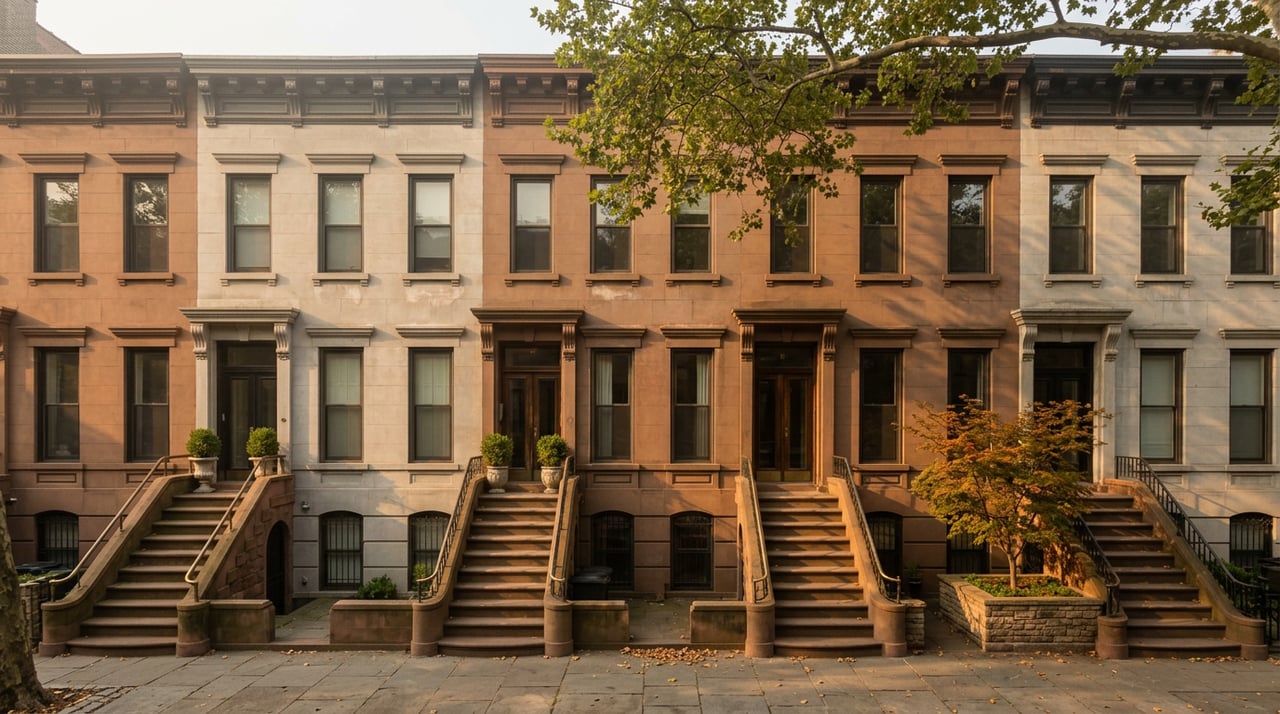
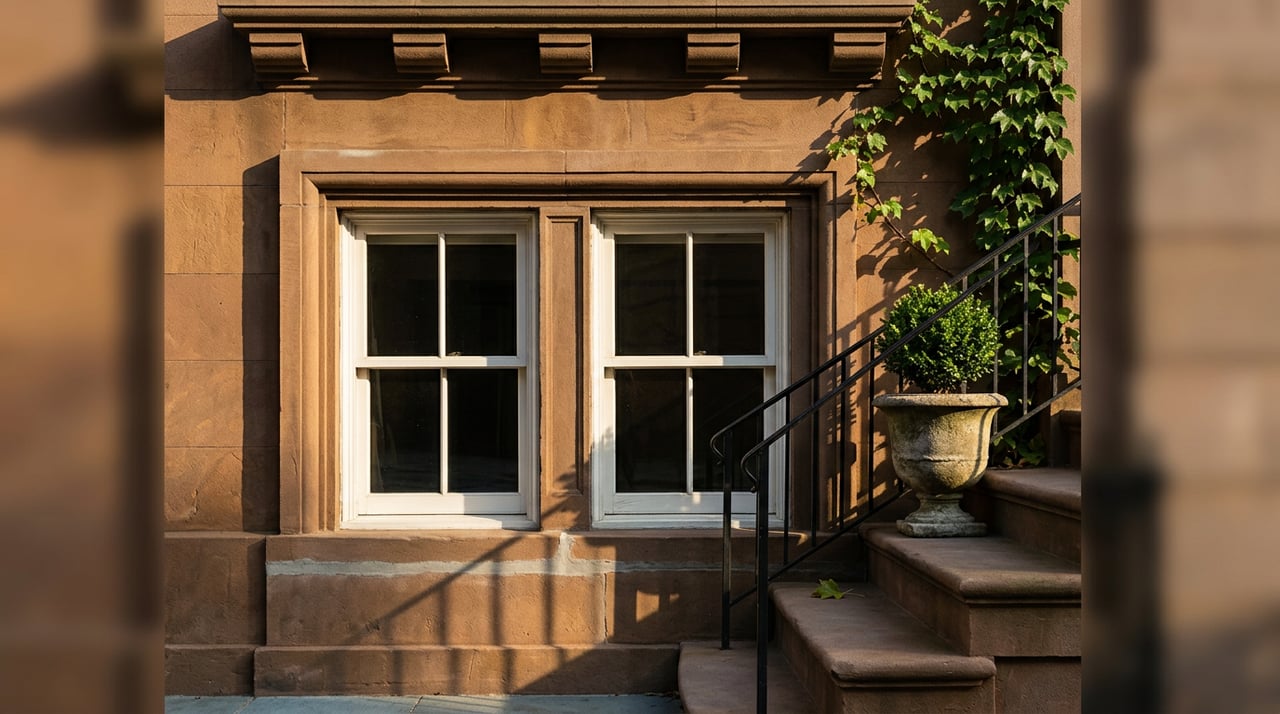
Prospect Heights feels compact, connected, and full of everyday options. NYC Tourism describes the neighborhood through major anchors like Prospect Park, the Brooklyn Public Library, the Brooklyn Museum, and Barclays Center, with historic brownstones, local shops, restaurants, and bars in between.
That mix matters because it shapes how you move through your day. Instead of planning around long car trips, you are more likely to build your routine around walking, transit, and a few dependable neighborhood stops.
One of the biggest things you notice in Prospect Heights is how much life happens at street level. City planning materials note that corridors like Vanderbilt Avenue and Flatbush Avenue include multi-family buildings with ground-floor commercial space, which supports a neighborhood rhythm built around quick errands, takeout, coffee runs, and dinner close by.
In practical terms, that can make everyday life feel simpler. You may find that a grocery stop, a casual meal, or a meet-up with friends fits naturally into your route home instead of becoming a separate trip.
Vanderbilt Avenue plays a big role in the neighborhood’s social and daily rhythm. During the warmer months, Prospect Heights Open Streets brings an extra layer of energy, with Vanderbilt Avenue between Atlantic Avenue and Park Place becoming a pedestrian-focused corridor every Saturday from May through September, from noon to 10 p.m.
That recurring setup supports the idea of a neighborhood where people spend time outside and close to home. It helps make weekend plans feel easy, whether you are grabbing food, meeting friends, or simply taking a walk.
For many people, Prospect Park is not just a destination. It is part of the weekly routine. Prospect Park Alliance describes it as a 585-acre oasis with 350 acres of natural areas, Brooklyn’s only forest in the Ravine, Brooklyn’s only lake, and the nearly mile-long Long Meadow.
That kind of access can change the way a neighborhood feels. A quick morning walk, an afternoon reset, or a longer weekend stroll can all fit into life here without much planning.
Grand Army Plaza serves as a major entry point to Prospect Park and connects several neighborhood landmarks. It also puts you close to the Brooklyn Public Library, Brooklyn Museum, Brooklyn Botanic Garden, and the Grand Army Plaza Greenmarket.
Because these places are so close together, a single outing can do a lot. You might start with the market, walk through the park, and then stop by a cultural institution, all within the same part of the neighborhood.
Prospect Heights stands out for how close its cultural institutions are to daily life. The Brooklyn Museum, located at 200 Eastern Parkway, is home to more than 140,000 objects. Nearby, Brooklyn Botanic Garden is a 52-acre urban botanic garden with more than 12,000 kinds of plants.
These are not places that feel far removed from the neighborhood. They are woven into it, which gives Prospect Heights a day-to-day atmosphere that feels active and interesting without being overwhelming.
Brooklyn Public Library’s Central Library is another important part of the area. The library describes it as Brooklyn’s home library and one of New York City’s major civic, cultural, and educational institutions. Its Dweck Center hosts free public programs, and the Information Commons supports freelancers, students, and job seekers.
For residents, that means the neighborhood offers more than restaurants and park access. It also gives you practical, civic spaces that can support work, learning, and everyday life.
If you live in Prospect Heights, Saturday can come with its own built-in routine. GrowNYC says the Grand Army Plaza Greenmarket is open year-round on Saturdays from 8:00 a.m. to 4:00 p.m. at the northwest entrance to Prospect Park.
Its location matters just as much as its schedule. Because it sits steps from the library, museum, and botanic garden, the market can become the starting point for the rest of your day.
Brooklyn Botanic Garden notes that spring is its busiest season and that all visitors need tickets. It also recommends public transportation, walking, or biking because parking fills up on peak weekends.
That detail says a lot about local life. Prospect Heights tends to reward people who like neighborhoods where walking and transit are part of the rhythm, especially during busy seasons and weekend outings.
Prospect Heights has a strong local dining identity. NYC Tourism highlights the neighborhood’s thriving restaurant and bar scene, including spots such as Alta Calidad on Vanderbilt Avenue, LaLou at 581 Vanderbilt Avenue, and Tom’s Restaurant at 782 Washington Avenue.
This variety helps the neighborhood feel lived-in rather than purely residential. You have a mix of established favorites, casual stops, and social spots that can turn an ordinary evening into something easy and enjoyable.
Tom’s Restaurant is described by NYC Tourism as a Prospect Heights institution and breakfast favorite dating to the 1930s. It serves breakfast and lunch only, which gives the area one more place that can become part of your regular weekly pattern.
That is one of the appealing parts of Prospect Heights. The neighborhood supports routine in a natural way, with places that feel easy to return to instead of one-time destinations.
Prospect Heights is well connected, and that shapes day-to-day convenience. MTA neighborhood maps show access to stations including Eastern Parkway–Brooklyn Museum and Grand Army Plaza on the 2 and 3, 7 Av on the B and Q, Atlantic Av–Barclays Ctr on multiple subway lines, and Prospect Park on the B, Q, and S.
This range of service can make commutes and weekend plans more flexible. If one route works better for work and another works better for errands or meeting friends, you often have more than one option.
The MTA states that the 7 Av station is fully accessible and that Eastern Parkway–Brooklyn Museum is ADA accessible. Atlantic Terminal adds even more convenience, with accessible Long Island Rail Road service, subway connections, elevators, tactile warning strips, audiovisual passenger information systems, and several bus routes.
For residents, that means Prospect Heights is not just easy to enjoy locally. It is also well positioned for getting around Brooklyn, reaching other parts of New York City, or planning regional travel.
The strongest way to describe day-to-day life in Prospect Heights is this: it feels convenient without feeling generic. You can build a weekday around a walk to the train, a quick stop on Vanderbilt Avenue, and time near Prospect Park or the museum district on the way home.
Weekends can feel just as natural. A Saturday market run at Grand Army Plaza, time outdoors, and a meal nearby all fit the neighborhood’s layout and pace.
For buyers, renters, and local movers, Prospect Heights often stands out because it offers several lifestyle benefits in a compact footprint. The neighborhood combines park access, cultural institutions, transit convenience, and a local dining scene in a way that supports both routine and spontaneity.
That does not mean every block feels the same. But the broader pattern is clear: Prospect Heights offers a walkable Brooklyn lifestyle with strong neighborhood identity and a lot of useful anchors close together.
If you are thinking about making a move in Prospect Heights or nearby western Brooklyn, working with someone who knows the streets and the day-to-day rhythm can make the process a lot easier. For fast, practical guidance tailored to your next move, reach out to Nelson Aybar.
Stay up to date on the latest real estate trends.
Hardworking, goal-driven, and passionate Real Estate Professional has more than 18 years of experience in Business Operations and Real Estate Sales. Possess a unique ability to duplicate success within diverse marketplaces. Committed to providing the highest level of service possible. Contact him to learn more!