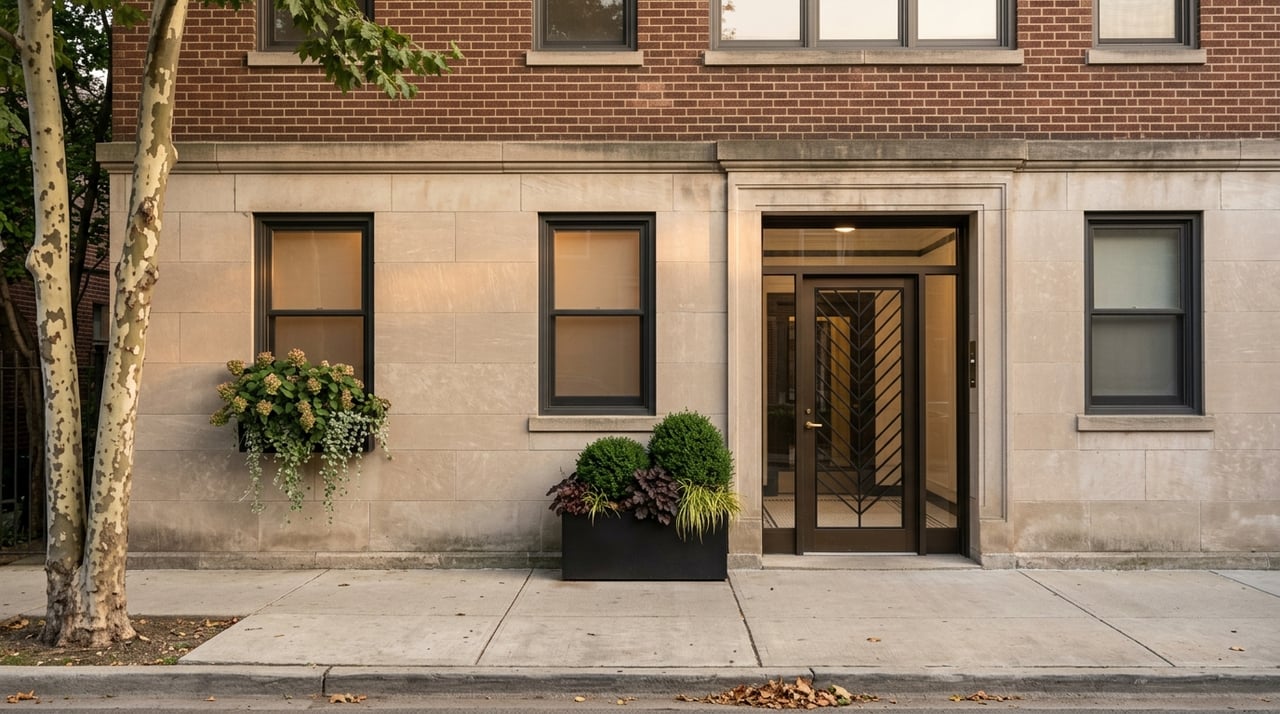
Navigating Park Slope Co-op Sale Timelines With Less Stress
June 11, 2026
June 11, 2026
Selling a co-op in Park Slope can feel like trying to plan a move while someone else controls the clock. If you are worried about delays, board review, or last-minute document issues, you are not alone. The good news is that most stress comes from a few predictable trouble spots, and with the right prep, you can stay ahead of them. Let’s dive in.
A Park Slope co-op sale is not the same as a standard deed transfer. In most co-op sales, ownership transfers through shares and a proprietary lease, not a traditional home deed. That is why the timeline often depends more on the board package and board review than on the contract date itself.
Your monthly maintenance also works differently than many buyers expect. In a co-op, maintenance commonly helps cover building expenses, property taxes, and sometimes underlying debt. That structure makes buyers, lenders, attorneys, and boards pay close attention to both personal finances and building documents.
In many New York City co-op deals, the accepted-offer-to-close process often takes about 60 days overall. A mortgage commitment can take around 30 to 45 days, board review often takes 2 to 4 weeks, and closing may happen about 7 to 14 days after board approval. In real life, though, timing can shift based on how complete the file is and how quickly each party responds.
For Park Slope sellers, that means the smoothest path usually starts before your home goes live. If you wait until you have a signed contract to gather key paperwork, the process can become more stressful than it needs to be. Early prep gives you more control over the parts you can actually influence.
If you want less stress, this is the biggest move you can make. Start collecting documents before listing so your buyer and the building have what they need without a scramble. A complete file reduces back-and-forth and helps the review process move faster.
Key documents often include:
These records matter for more than just organization. Board minutes and financial reports can reveal building issues or upcoming major repairs, so buyers often review them closely. If documents are missing or outdated, questions tend to multiply later.
A few missing items can slow down an otherwise solid deal. Common examples include a missing stock certificate, missing proprietary lease paperwork, or incomplete estate-related records. These issues are easier to fix when you catch them early, not when everyone is trying to schedule a closing.
Some parts of Park Slope fall within designated historic districts. If you are planning exterior work or certain pre-listing improvements, Landmarks Preservation Commission approval may be required for changes affecting designated landmarks or historic districts. That can add time before your home is market-ready, so it is smart to factor that into your timeline.
In most co-op sales, the board package is where delays begin or disappear. A strong package is organized, complete, and consistent from the start. An incomplete one can trigger follow-up requests that push everything back.
Common package items in New York City co-op sales often include:
The key is simple: the board review clock generally does not start until the submission is complete. That is why sellers, buyers, attorneys, and agents all benefit when the package is built carefully the first time.
As of June 8, 2026, New York City has enacted Local Law 58 of 2026, but it does not take effect until July 28, 2026. Once it takes effect, it applies to many co-ops in the city with more than 10 units, but it does not apply to every building. It excludes HDFCs, co-ops that require governmental housing-agency approval, and buildings with fewer than 10 dwelling units.
For covered co-ops, boards must maintain a standardized written application package and a full list of transfer requirements. That includes forms, questionnaires, supporting documents, fees, interview procedures, submission instructions, and other required materials. Those materials must be provided promptly when requested by purchasers, sellers, or their agents.
After receiving an application, a covered board must send a written acknowledgment by email and registered mail within 15 days stating whether the package is complete. If something is missing, the board must identify each missing item and cite the relevant requirement. If the board misses that 15-day deadline, the application is deemed complete as of the missed date.
That does not mean automatic approval. It simply means the package is treated as complete for timing purposes. The board still has a review period to make its decision.
Once a package is complete, the board generally has 45 days to decide whether consent is granted unconditionally, granted with conditions, or denied. The law allows limited extensions, and the review clock can be tolled during a board’s July-August summer recess if proper notice is in place.
For sellers, the practical takeaway is clear. If your building is covered by this law after July 28, 2026, a complete first submission matters even more because that is what starts the timing protections.
Even well-priced listings can get stuck when paperwork or financing falls behind. The most common delay points are usually predictable, which means you can plan for them.
Here are the issues to watch:
None of these automatically kills a deal. But each one can add days or weeks if no one catches it early.
A low-stress co-op sale usually comes down to coordinated teamwork. In Park Slope, that means your agent, attorney, lender, and managing agent each have a specific job in keeping the process moving.
Your attorney helps interpret the offering plan, proprietary lease, bylaws, and contract terms. In a resale, the seller’s attorney usually prepares the initial contract draft and helps coordinate riders, paperwork, and closing details. This role matters because co-op boards are expected to follow the building’s governing documents.
The lender controls the financing side of the clock, not the board. A preapproval is tentative, lenders usually check credit before issuing it, and preapprovals often expire after 30 to 60 days. Because mortgage commitment can take several weeks, buyers need updated financial documentation ready well before the board package goes in.
Your listing agent helps keep the process practical and organized. That includes requesting the current transfer checklist early, tracking missing items, and coordinating with the attorney and managing agent so the package is complete on first submission. In a co-op sale, disciplined follow-through can save real time.
The smoothest co-op sales usually share one thing: fewer surprises. When everyone knows what is needed and when it is due, the process feels more manageable.
A few simple habits help:
If a board interview is part of the process, keep your approach concise and honest. Answer what is asked, stay brief, and avoid volunteering unrelated personal information. New York City fair-housing rules apply to housing providers, including co-op boards, so the process should stay within those legal limits.
If you are selling in Park Slope, it helps to think of the timeline in phases instead of one long waiting period. First comes pre-list prep. Then contract and financing. Then board package assembly, review, possible interview, and closing.
That mindset makes the process easier to manage because you can focus on the next right step. You may not control every part of a co-op sale, but you can absolutely control how prepared you are when each stage begins.
The goal is not a perfect transaction. The goal is a cleaner one, with fewer avoidable delays and less stress for everyone involved. If you want a steady, neighborhood-focused approach to your Park Slope co-op sale, Nelson Aybar can help you stay organized, prepared, and moving in the right direction.
Stay up to date on the latest real estate trends.





Hardworking, goal-driven, and passionate Real Estate Professional has more than 18 years of experience in Business Operations and Real Estate Sales. Possess a unique ability to duplicate success within diverse marketplaces. Committed to providing the highest level of service possible. Contact him to learn more!