Preparing Your Park Slope Home For A Fast, Smooth Sale
May 7, 2026
May 7, 2026
If you want your Park Slope home to sell quickly, presentation is not a side detail. In a neighborhood known for brownstones, prewar homes, and a park-centered lifestyle, buyers notice condition, layout, and character right away. The good news is that you usually do not need a massive renovation to make a strong impression. You need a smart plan that removes friction before your listing goes live. Let’s dive in.
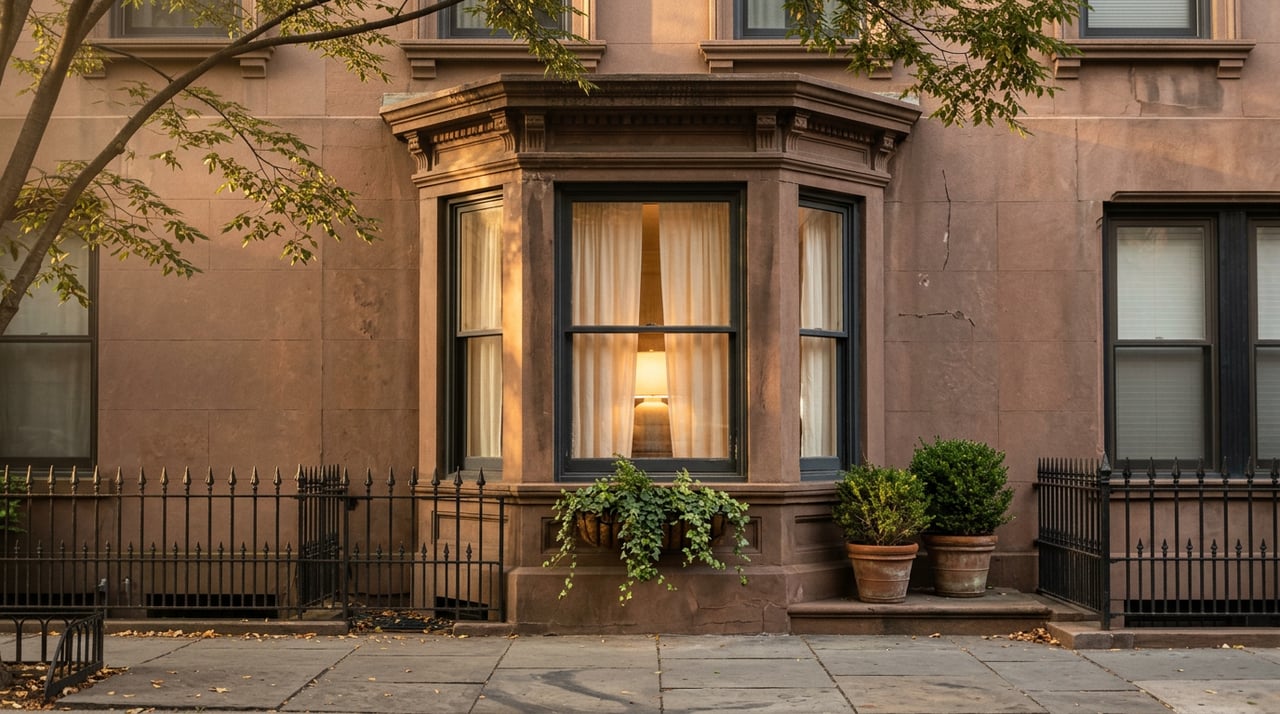
Park Slope is a character-driven market. The neighborhood is known for historic architecture, and long-standing zoning has helped preserve the feel of many brownstone side streets while allowing larger buildings along Fourth Avenue. That means buyers often come in looking for charm, proportion, and a home that feels well cared for.
Current market context also makes preparation worth the effort. StreetEasy reports a median sale price of about $1.7 million and median days on market of 55 days in Park Slope. It also notes that brownstones can command $3 million or more, while prewar co-ops often trade at more moderate price points.
In practical terms, buyers in Park Slope are often responding to a lifestyle as much as a floor plan. Prospect Park, at 526 acres, is one of the area’s defining amenities. Homes that feel clean, bright, and true to their original character tend to show better than homes weighed down by clutter, deferred maintenance, or highly personal design choices.
The fastest path to a smoother sale is usually not an expensive overhaul. It is a careful round of cleaning, decluttering, repair, and light updating that helps buyers picture themselves in the space.
National staging guidance supports that approach. In the National Association of Realtors 2025 staging report, 29% of agents said staging led to a 1% to 10% increase in the dollar value offered, and 49% said staging reduced time on market. Even when full staging is not used, many agents still recommend decluttering and correcting visible property faults before listing.
For Park Slope sellers, that often means improving what is already there. If your home has original details, good ceiling height, or strong natural light, your prep work should help those features stand out instead of competing with them.
A polished home feels more valuable. Buyers notice the basics quickly, especially in entryways, kitchens, bathrooms, walls, beds, and windows.
Before photos or showings, focus on these areas:
This kind of cleaning is not glamorous, but it works. A clean home signals maintenance, and that can lower buyer hesitation.
Clutter makes even a generous home feel smaller. In Park Slope, where layout and proportion matter, removing visual noise can help buyers better understand room size and flow.
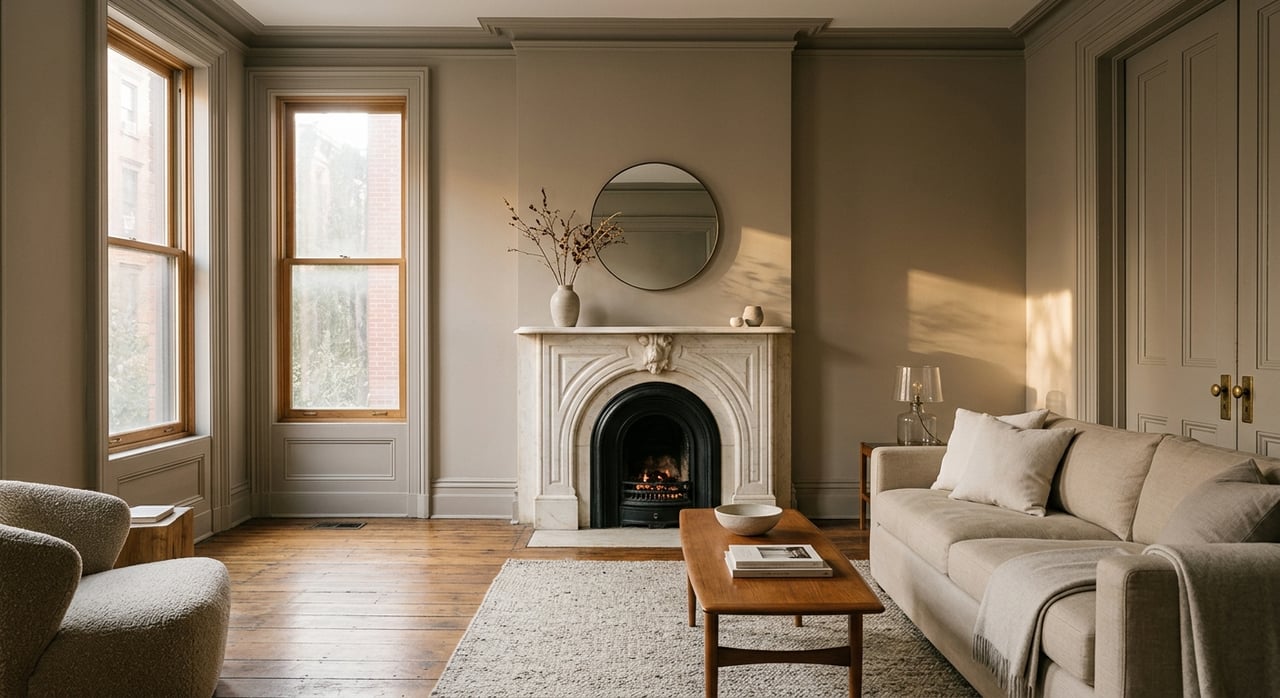
Start by clearing surfaces, thinning furniture, and packing away anything you do not need for the next few weeks. If you are selling a co-op or condo, this can make an apartment feel more open. If you are selling a brownstone or townhouse, it can help original millwork, stair detail, fireplaces, and ceiling height read more clearly.
Buyers need to imagine their own lives in your home. That is easier when personal photos, collections, and bold decor are toned down.
You do not need to erase all personality. Instead, aim for a clean and neutral backdrop. A few well-chosen pieces can still make the space feel warm while keeping the focus on the home itself.
Small defects can create outsized concern. A loose knob, sticky window, cracked switch plate, or dripping faucet may seem minor, but together they can make buyers wonder what else has been neglected.
Prioritize visible, low-risk repairs such as:
In many cases, these are the improvements that deliver the best return because they reduce doubt without pushing you into a bigger renovation.
In Park Slope, more work is not always better. Buyers are often drawn to intact woodwork, period proportions, and a move-in-ready home that still fits the building’s style.
That is why many sellers get more value from removing obstacles than from launching a full remodel before listing. A costly renovation can eat up time and budget, and it may not match what buyers expect from a historic home or apartment in the neighborhood.
If you are deciding where to spend money, ask a simple question: will this make the home cleaner, brighter, more functional, or easier to understand? If the answer is no, it may not be the right pre-sale project.
A fast sale in Park Slope depends on more than how the home looks. Your prep checklist should also match the type of property you own.
If your home is in the Park Slope Historic District, exterior work may need to be reviewed by the Landmarks Preservation Commission. LPC requires permits for many kinds of exterior work on landmarked buildings and buildings in historic districts, including restoration, replacement, alteration, reconstruction, demolition, and new construction. That review can apply even when the work is not visible from the street.
Some ordinary repairs generally do not require LPC approval. Examples include replacing broken glass, repainting in the same color, caulking around windows and doors, or replacing hardware in kind. Still, if you are considering exterior updates before listing, it is smart to plan early rather than treat them as a last-minute cosmetic task.
For older houses, legal-use paperwork can also matter. New York City’s Department of Buildings says buildings constructed before 1938 generally are not required to have a Certificate of Occupancy unless later alterations changed use, egress, or occupancy. If you need proof of legal use, a Letter of No Objection may be useful, especially for a townhouse with a long renovation history.
Co-op sales often move more smoothly when you prepare the building paperwork early. Before listing, ask for the board’s purchase application package so you understand the building’s requirements.
That package may outline down payment expectations, subletting or pied-a-terre rules, flip tax, building fees, and application fees. Because co-op boards can reject buyers, it helps to know the standards upfront so you and your agent can guide negotiations with fewer surprises.
Co-op sellers in New York City should also remember that the Real Property Transfer Tax applies to transfers of cooperative housing stock shares. That makes document readiness and closing coordination part of the pre-listing process.
Condo sales can get delayed when key building documents are missing. Before you list, gather the association’s master insurance policy, current budget, reserve funding information, and any records related to deferred repairs if available.
Having these items ready can help buyers and lenders review the building faster. In a market where timing matters, organized condo paperwork can prevent avoidable delays after you accept an offer.
Open issues with city agencies can slow or derail a sale. The Department of Buildings states that open DOB violations can prevent an owner from selling or refinancing, and the department will not issue new or amended Certificates of Occupancy or Letters of Completion while violations remain active.
HPD also advises owners to check HPDONLINE for open violations. HPD violations can carry civil penalties if they are not properly corrected and certified.
This is one of the most important parts of pre-sale prep because it affects timeline, buyer confidence, and attorney review. If your home has any history of violations or work permits, address that early so it does not become a deal problem later.
A smooth sale is partly about presentation and partly about preparation behind the scenes. In New York City, the Real Property Transfer Tax applies to sales, transfers, and co-op share transfers, and the filing is done through ACRIS.
New York State also imposes a basic real estate transfer tax, and residential transfers of $1 million or more are generally subject to the 1% mansion tax on the buyer side. Since Park Slope’s median sale price is around $1.7 million, many local buyers may be budgeting with that added cost in mind.
That does not change how you prepare your home, but it does affect negotiations and buyer readiness. The cleaner and more organized your sale process is, the easier it is for serious buyers to move forward with confidence.
If you want to keep things simple, follow this order before listing your home:
This sequence fits the realities of Park Slope housing stock. It helps you improve what buyers see first while reducing the risk of surprises during contract and closing.
The best pre-sale strategy in Park Slope is often the most disciplined one. Clean thoroughly, preserve character, fix what is obvious, and get your paperwork in order before the listing hits the market.
That approach respects how buyers shop in the neighborhood. It also gives you a better chance at a faster, smoother sale without wasting time or money on projects that do not move the needle.
If you are getting ready to sell in Park Slope and want practical guidance with quick follow-through, Nelson Aybar can help you build a smart plan and move in a New York minute.
Stay up to date on the latest real estate trends.
Hardworking, goal-driven, and passionate Real Estate Professional has more than 18 years of experience in Business Operations and Real Estate Sales. Possess a unique ability to duplicate success within diverse marketplaces. Committed to providing the highest level of service possible. Contact him to learn more!