Thinking about renting in Astoria and torn between a full-service elevator building and a classic walk-up? Both can be great fits, but the daily experience, price, and application steps are different. You want value, comfort, and a smooth move, without surprises. In this guide, you’ll learn how these buildings compare on rent, amenities, touring tips, and NYC application rules so you can choose with confidence. Let’s dive in.
Astoria rent snapshot (Feb 2026)
As of Feb 2026, recent neighborhood snapshots show studios around $2,000–$2,900, 1-bedrooms about $2,400–$3,000, and 2-bedrooms roughly $3,200–$4,400. These ranges shift with seasonality and new construction share. You can cross-check local medians through sources like RentCafe’s Astoria trends and Zumper’s Astoria report. Expect higher prices near the waterfront and newer buildings, and more value deeper into the neighborhood.
Elevator buildings: features, pros, cons
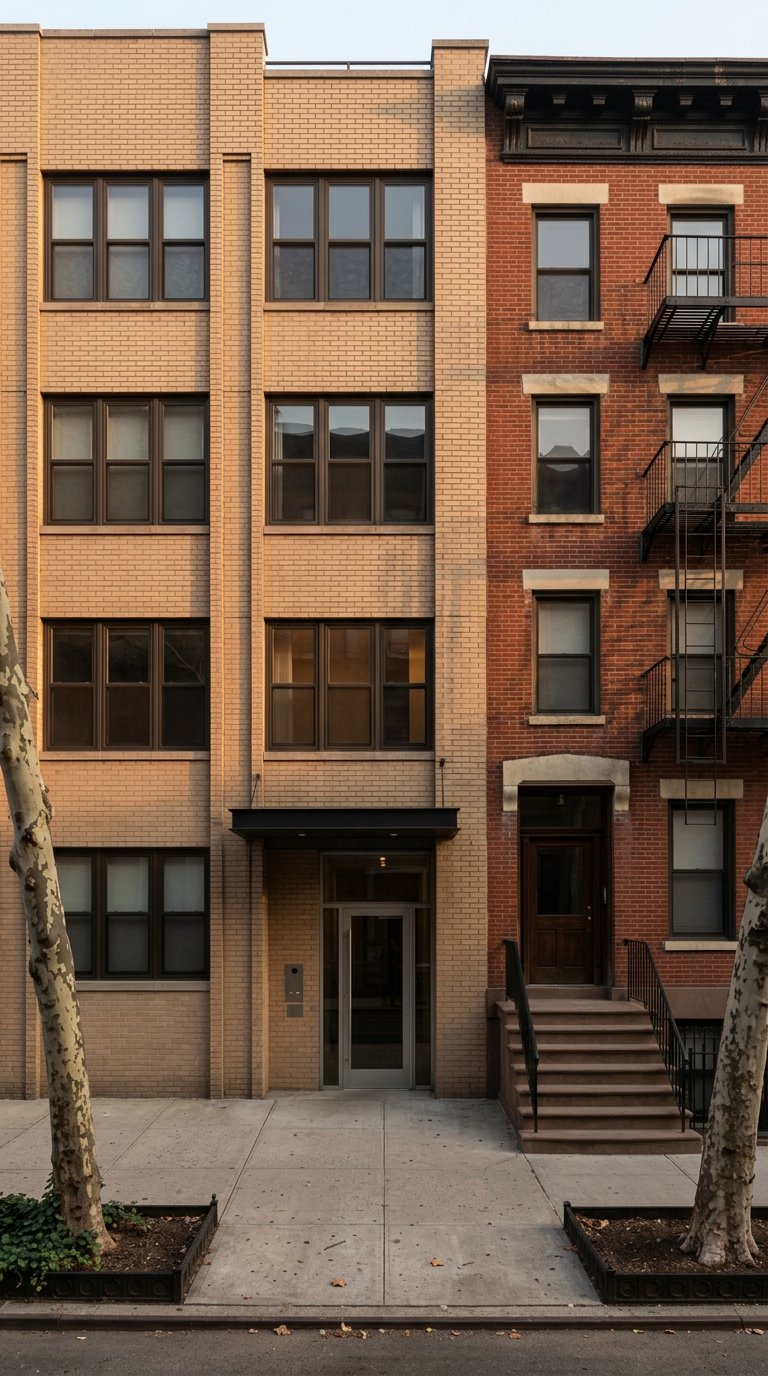
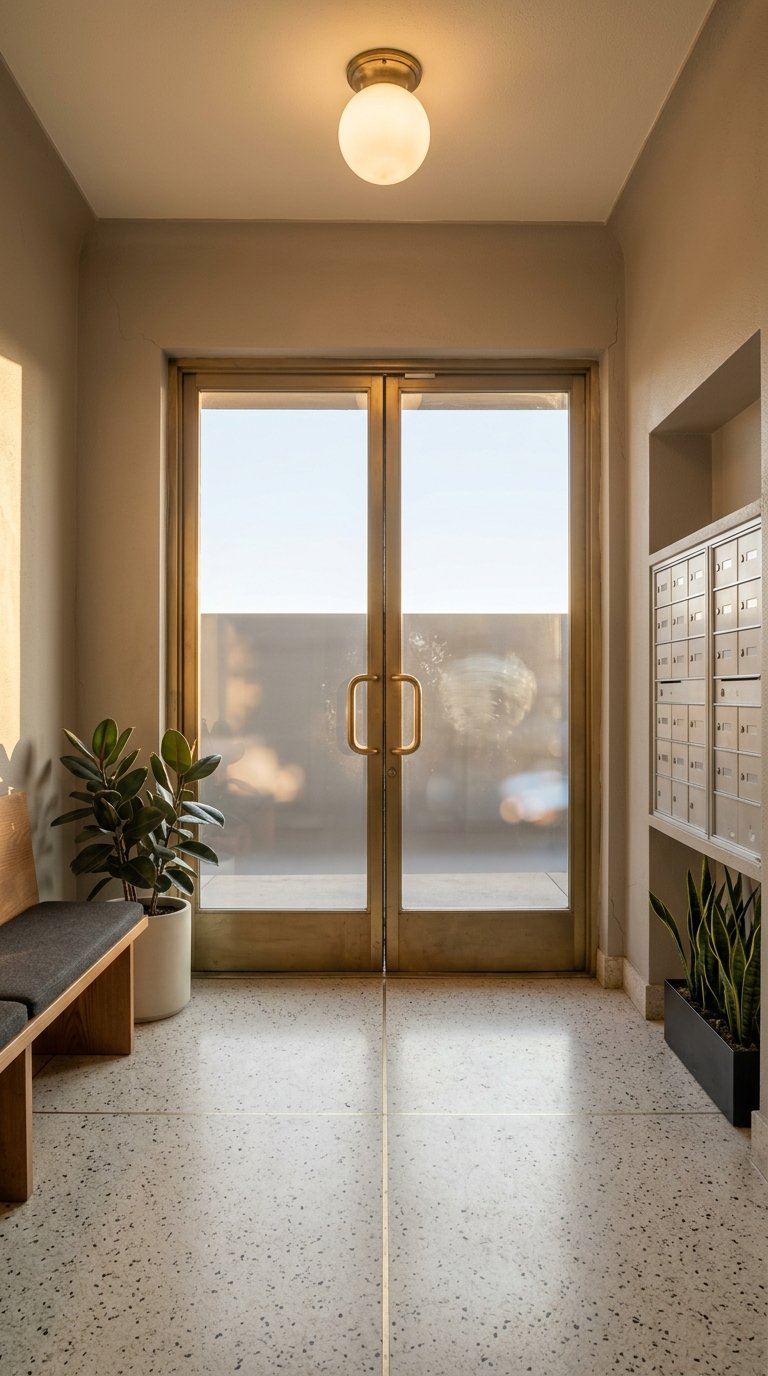
Modern elevator buildings in Astoria often offer on-site laundry or in-unit washers and dryers, gyms, package rooms, roof decks, secure entry, and sometimes parking. Many units have newer finishes and more open layouts. You might also find staffed lobbies or virtual doorman systems. These details are common in the local mid- and high-rise stock, as shown in Astoria’s rental market trends.
Pros
- Easier daily living and moving logistics, especially if you carry groceries, strollers, or work gear.
- More amenities and often on-site management for quicker service.
- Newer systems and insulation in many buildings.
Cons
- Higher base rent and possible amenity or parking fees.
- Building rules for moves and elevator reservations may add steps to your timeline.
Walk-ups: features, pros, cons
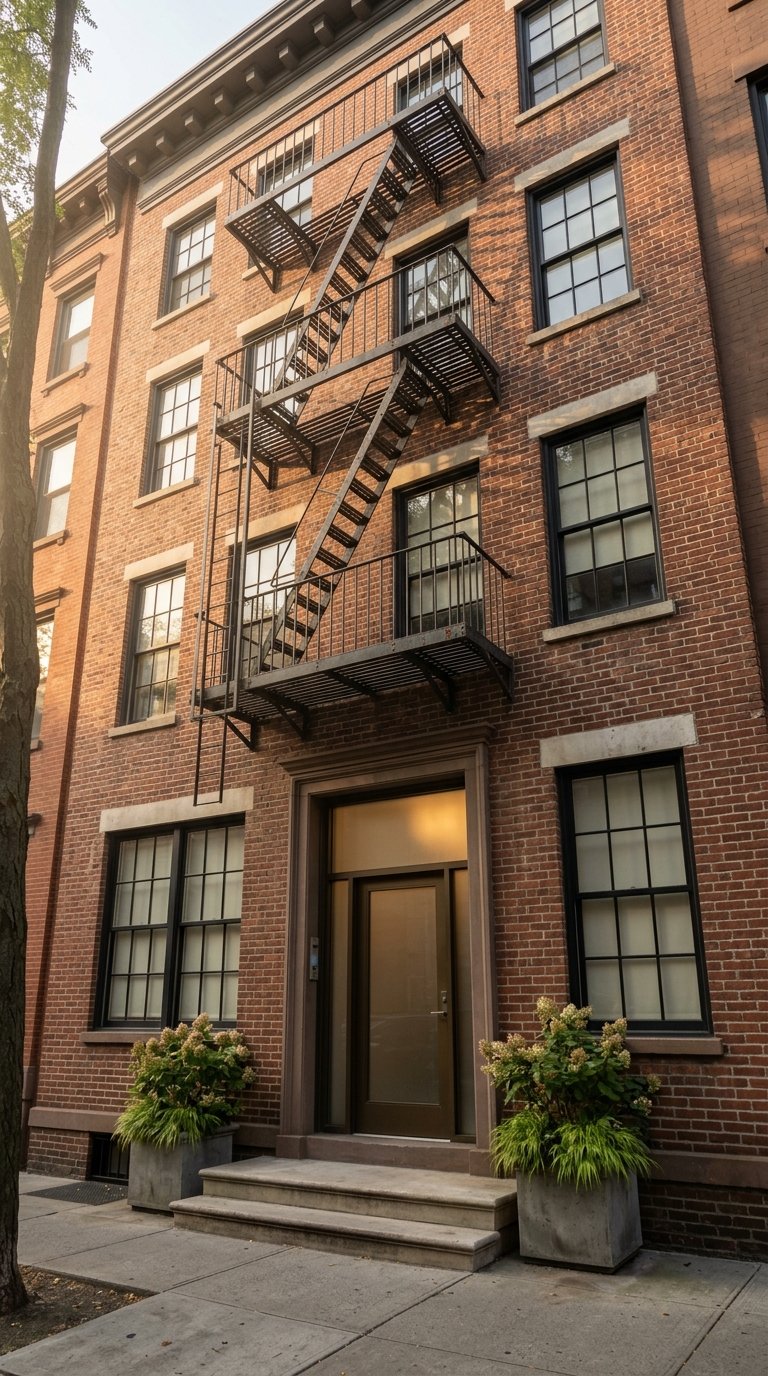
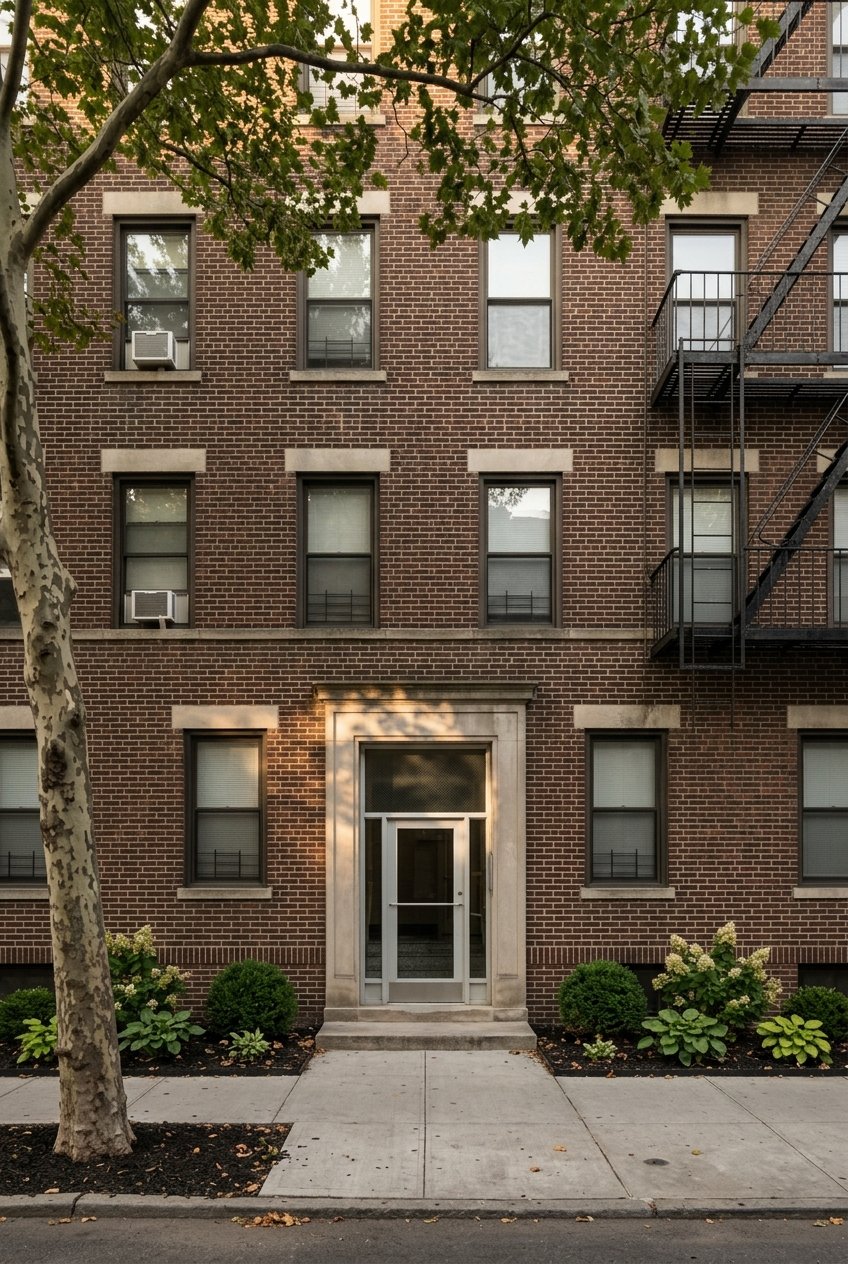
Walk-ups are usually pre-war or mid-century low-rise buildings without elevators. You’ll often see original hardwoods and classic details, with fewer building-wide amenities. Window AC is common unless a unit has been gut-renovated.
Pros
- Typically the most budget-friendly option in Astoria.
- Character and charm in many pre-war layouts.
Cons
- Daily stairs and tougher furniture moves, especially above the third floor.
- Top-floor units can run hotter in summer; check AC capacity and window condition.
Price gap in Astoria
In many NYC neighborhoods, comparable walk-ups can be about 10–25 percent cheaper than similar elevator units, depending on floor, layout, and renovation status. This general pattern appears in broker and appraisal commentary, including discussions on walk-up vs. elevator price differences. When you compare, use the same micro-area and similar square footage, and note what is included in rent. Premiums often reflect amenities, in-unit laundry, outdoor space, and recent renovations.
Which is right for you
- Budget-first: A renovated walk-up may deliver the best price-to-space ratio. If you’re eyeing a top-floor unit, ask about insulation, AC, and heat.
- Convenience and access: If you have mobility needs, heavy gear, or kids, the elevator premium often pays off in daily quality of life.
- Work-from-home comfort: Newer elevator buildings can feel quieter with better windows and mechanicals. Bright top-floor walk-ups can also work well if you confirm cooling and noise.
- Pets: Policies vary. Confirm any pet rent or deposits before you apply.
How to tour smart in Astoria
Before you go
- Ask what is included in the rent: heat, hot water, cooking gas, and electricity vary by building. Confirm any amenity fees.
- Check if the rent reflects a concession and when that concession ends. Newer buildings may offer a free month that changes the net effective price.
- Clarify who represents whom and if the listing is no-fee. Under NYC’s FARE Act, the party who hired the broker must pay that broker. Review the city’s FARE Act FAQ.
On-site checks
- Stairs and elevator: If it’s a walk-up, climb to the unit to gauge the daily routine. In elevator buildings, ask about move reservations and typical downtime over the last year.
- Noise: Visit at different times. In walk-ups, listen for stairwell traffic. In elevator buildings, note lobby and package-room activity.
- Light and ventilation: Confirm window orientation and feel for drafts. Top floors may be brighter but warmer; check AC capacity.
- Building systems and pests: Ask about any recent heat or hot water complaints and current pest contracts.
- Laundry and storage: In-unit laundry adds value. If laundry is in the building, ask about hours and reliability.
- Security and access: Test intercoms, package procedures, and mailbox locks.
- Regulatory status: If you suspect the unit could be regulated, request rent history. The city explains how rent stabilization works on its overview page.
Questions for management
- Is this unit rent-stabilized or market-rate? If stabilized, ask for the last renewal rider and legal vs. preferential rent entries. The Rent Guidelines Board FAQ explains key terms.
- What utilities are included? Clarify heat, hot water, gas, and electricity.
- Who handles maintenance and how fast is response?
- Do you accept institutional guarantors such as Insurent or The Guarantors?
Application and costs in NYC
Documents to prepare
Bring a government photo ID, Social Security number or ITIN, 2–3 recent pay stubs, an employment letter or offer letter, 2–3 months of bank statements, and landlord references. If you are self-employed or commission-based, expect to provide two years of tax returns and a profit-and-loss statement. Many landlords follow similar checklists, like this NYC rental document guide.
Income and credit basics
Many landlords use the informal 40x income guideline, which means your annual gross income should be at least 40 times the monthly rent. If you do not meet that, common options include a family guarantor who shows about 80x the rent or a commercial guarantor service. For a clear overview, see this NYC renter’s guide to income and guarantors.
Upfront costs to expect
- First month’s rent
- Security deposit, commonly one month of rent for many market-rate units
- Screening fee, capped by New York law at the actual cost or $20, whichever is less, and it must be waived if you provide a recent report within the legal window. See a summary of the statute here.
- Broker fee only applies if you hired your own tenant’s agent. Under the FARE Act, landlords must pay fees for brokers they retained. Review the city’s FARE Act FAQ.
Rent-stabilized or market-rate
Some Astoria apartments are rent-stabilized, which can offer renewal rights and limited annual increases. Do not assume status based on price. Ask the landlord, review the lease and riders, and request rent history if eligible. Learn the basics from the city’s rent stabilization overview and the Rent Guidelines Board FAQ.
Quick comparison checklist
Use this when you tour two similar options on the same block or cross streets.
- Address and date viewed
- Building type: walk-up or elevator (doorman?)
- Listed rent and any concessions, with end date
- Utilities included: heat, hot water, gas, electricity
- Bedrooms, baths, and approximate square footage
- Key positives: light, layout, closets, view, amenities, package room
- Key negatives: stairs, noise, smells, old windows, no laundry
- Application documents you will need
- Screening fee amount and receipt (remember the NY cap)
- Guarantor policy and which companies are accepted
- Move-in timing and elevator reservation policy
Ready to find your place in Astoria?
Whether you want the value of a classic walk-up or the comfort of an elevator building, you deserve a fast, organized search and a clean application process. If you want local guidance, quick scheduling, and help with paperwork, reach out to Nelson Aybar. Get help in a New York minute.
FAQs
What are typical Astoria rents right now?
- As of Feb 2026, many snapshots show studios around $2,000–$2,900, 1-bedrooms about $2,400–$3,000, and 2-bedrooms roughly $3,200–$4,400, based on sources like RentCafe and Zumper.
How much cheaper are walk-ups than elevator buildings in Astoria?
- Local commentary suggests walk-ups can be about 10–25 percent less than comparable elevator units, depending on floor, renovation, and layout, as discussed in this price-difference thread.
Who pays the broker fee in NYC under the FARE Act?
- If the landlord hired the broker, the landlord must pay that broker; tenants only pay a fee if they hire their own agent, per the city’s FARE Act FAQ.
What is the legal cap on NYC rental application screening fees?
- New York limits screening fees to the actual cost or $20, whichever is less, and landlords must waive it if you provide a recent report; see a statute summary here.
What income do I need to qualify for an Astoria rental?
- Many landlords use the 40x income guideline with options like guarantors at about 80x or a commercial guarantor service; see this NYC renter’s guide.
How can I tell if an Astoria apartment is rent-stabilized?